

The global semiconductor industry depends heavily on precision, innovation, and highly controlled manufacturing environments. Among the companies leading this industry, tsmc clean room chips stands at the center of modern chip production. From smartphones and gaming devices to artificial intelligence systems and cloud servers, the company manufactures advanced semiconductors used by many of the world’s biggest technology brands.
One of the most important reasons behind this success is the development of tsmc clean room chips. These chips are produced inside highly controlled environments where temperature, humidity, airflow, and microscopic contamination are carefully managed. Without these advanced clean rooms, modern processors and AI chips would not function with the speed and efficiency people expect today.
As demand for faster and smaller semiconductors continues growing, clean room technology has become one of the most valuable parts of the semiconductor manufacturing process.
Understanding the Technology
The term tsmc clean room chips refers to semiconductor chips manufactured inside contamination-free production facilities. A clean room is a specialized environment where airborne particles are kept at extremely low levels. In semiconductor production, even microscopic dust can damage an entire wafer and reduce manufacturing quality.
Modern chip designs contain billions of tiny transistors placed within extremely small spaces. tsmc clean room chips manufactures advanced nodes such as 5nm and 3nm chips, which require extraordinary precision during production. Because of this, the company invests billions of dollars into advanced clean room systems that help maintain stable manufacturing conditions.
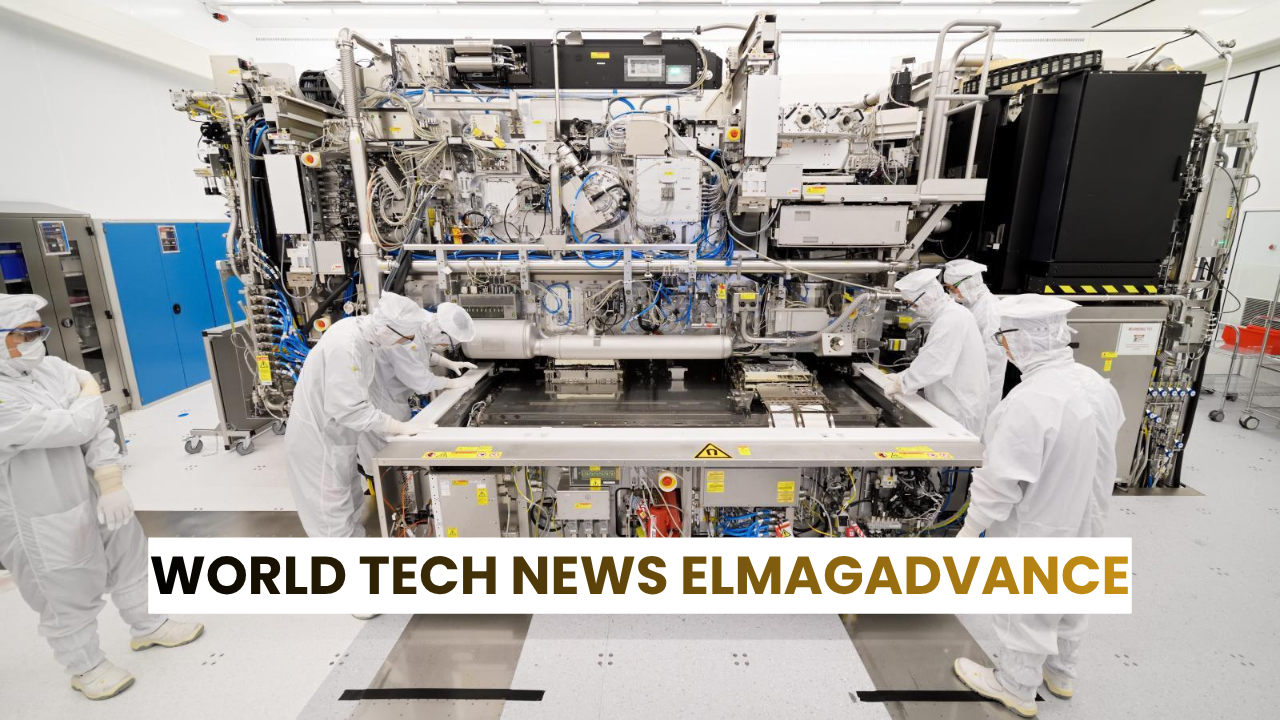
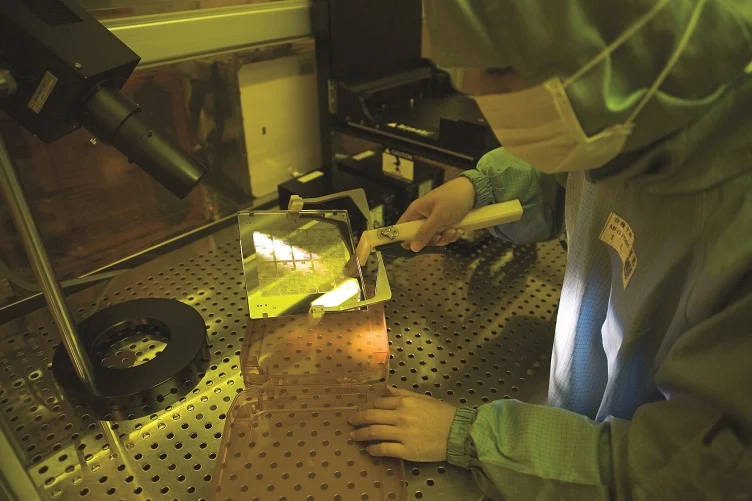
Workers inside these facilities wear full-body protective suits designed to prevent contamination from skin particles, hair, or dust. Air filtration systems continuously remove impurities while automated machines handle much of the manufacturing process.
Why Clean Rooms Matter
Semiconductor manufacturing is one of the most delicate industrial processes in the world. A particle too small to see with the human eye can damage electrical pathways on a chip. This can lead to performance issues, lower reliability, or complete product failure.
This is why tsmc clean room chips are considered highly reliable in the technology industry. The controlled manufacturing environment helps maintain accuracy throughout every production stage.
Clean rooms also support advanced lithography systems used to print transistor patterns onto silicon wafers. Modern processors rely on extremely precise circuitry, and maintaining cleanliness is essential for successful production.
Without clean room environments, advanced technologies such as artificial intelligence processors, high-performance GPUs, and next-generation smartphone chips would face serious manufacturing limitations.
Bio Table
| Field | Details |
|---|---|
| Keyword | tsmc clean room chips |
| Topic Type | Semiconductor Technology |
| Main Focus | Clean room chip manufacturing by TSMC |
| Industry | Technology |
| Article Type | Informative Blog Post |
| Content Style | Professional & Human-Touch |
| Word Count | 1000+ Words |
| SEO Focus | Semiconductor manufacturing & clean room technology |
| Target Audience | Tech readers, semiconductor enthusiasts, students, AI industry followers |
| Search Intent | Informational |
| Reading Level | Easy to Moderate |
| Primary Company | TSMC |
| Recommended Category | Technology |
How TSMC Produces Advanced Chips
The manufacturing process begins with ultra-pure silicon wafers. These wafers are polished to create a perfectly smooth surface before entering the production line. Inside the clean room, the wafers move through multiple stages involving chemical treatments, light exposure, etching, and material layering.
One of the most important technologies used by TSMC is Extreme Ultraviolet Lithography, often called EUV lithography. This advanced process allows manufacturers to create smaller transistor structures with improved energy efficiency and performance.
The clean room environment plays a direct role in ensuring these delicate processes remain accurate. Any contamination during production could interrupt the circuitry patterns being built on the wafer surface.
The result is a collection of powerful chips capable of handling advanced computing tasks while using less power than older semiconductor designs.
The Role of Automation
Automation has become a major part of modern semiconductor manufacturing. Inside TSMC facilities, robotic systems transport wafers between processing stations while reducing the need for direct human contact.
This level of automation improves manufacturing consistency and lowers contamination risks. Machines can perform repetitive tasks with greater precision than manual handling, especially when working with advanced semiconductor nodes.
Automation also helps increase production speed. As demand for semiconductors continues rising worldwide, companies like TSMC must produce millions of chips efficiently while maintaining strict quality standards.
The development of tsmc clean room chips demonstrates how automation and environmental control now work together in advanced manufacturing industries.
Powering Global Technology
Many popular consumer devices rely on TSMC-manufactured semiconductors. Smartphone processors, graphics cards, artificial intelligence accelerators, and cloud computing systems often use chips produced inside these advanced facilities.
Major technology companies depend on TSMC because of its manufacturing capabilities and ability to produce advanced semiconductor nodes at large scale. The company’s clean room systems allow it to manufacture chips with high performance and improved energy efficiency.
The growth of artificial intelligence has further increased the importance of semiconductor manufacturing. AI systems require enormous computing power, and advanced chips are essential for handling machine learning workloads, data processing, and real-time analytics.
As AI adoption expands globally, demand for tsmc clean room chips is expected to rise significantly over the coming years.
Challenges Behind the Industry
Although semiconductor manufacturing appears highly advanced, it also involves major challenges. Building clean room facilities requires enormous investment. Semiconductor plants can cost tens of billions of dollars because of the specialized equipment and environmental systems involved.
Energy consumption is another concern. Clean rooms operate continuously and require powerful ventilation, cooling, and filtration systems to maintain stable conditions. These facilities consume large amounts of electricity every day.
Supply chain issues can also affect production timelines. Semiconductor manufacturing depends on highly specialized materials and equipment sourced from different parts of the world. Any disruption can impact production capacity.
Despite these challenges, TSMC continues expanding globally to meet growing semiconductor demand.
Expansion Beyond Taiwan
In recent years, TSMC has expanded manufacturing operations outside Taiwan, including investments in the United States and other international locations. These expansions are designed to strengthen semiconductor supply chains and support increasing demand from global technology companies.
Building semiconductor plants in new regions requires advanced clean room construction, specialized engineering, and large-scale infrastructure development. Every facility must maintain strict contamination control standards to produce modern processors successfully.
The expansion of tsmc clean room chips production reflects the growing importance of semiconductors in industries such as automotive technology, artificial intelligence, telecommunications, and cloud computing.
Environmental Considerations
Semiconductor manufacturing depends heavily on water, electricity, and chemical processing systems. Because of this, environmental sustainability has become increasingly important within the industry.
TSMC has invested in water recycling systems, energy efficiency programs, and waste reduction technologies to improve sustainability efforts. Clean room operations are designed not only for performance but also for long-term environmental management.
As semiconductor demand continues increasing, balancing production growth with sustainability will remain one of the industry’s biggest priorities.
Future of Semiconductor Manufacturing
The semiconductor industry continues moving toward smaller and more powerful chip designs. Future technologies such as 2nm processors and advanced AI accelerators will require even stricter manufacturing precision.
This means clean room technology will become even more important in the years ahead. Researchers are already developing improved filtration systems, smarter automation tools, and advanced manufacturing techniques to support next-generation semiconductor production.
The future of tsmc clean room chips will likely involve greater use of artificial intelligence inside manufacturing systems themselves. AI-driven monitoring tools may help detect contamination risks instantly and improve production efficiency.
As technology becomes more integrated into everyday life, semiconductor manufacturing will remain one of the most important industries in the global economy.
Why TSMC Leads the Industry
TSMC has earned a strong reputation because of its manufacturing scale, research investment, and technological leadership. The company consistently produces some of the world’s most advanced semiconductors while maintaining high reliability standards.
Its clean room infrastructure plays a major role in this success. By combining contamination control, automation, and advanced lithography systems, TSMC continues setting industry standards for semiconductor manufacturing.
The rise of AI, electric vehicles, cloud computing, and smart devices will likely strengthen the company’s importance even further in the future.
Conclusion
The development of tsmc clean room chips highlights how advanced semiconductor manufacturing has become. Modern processors require extraordinary precision, and clean room environments provide the stability needed to produce reliable and high-performance chips.
From AI systems and smartphones to gaming hardware and cloud servers, TSMC-manufactured semiconductors power much of today’s digital world. The company’s investment in clean room technology has helped shape the future of computing while supporting innovation across multiple industries.
As semiconductor technology continues evolving, clean room manufacturing will remain essential for producing the next generation of faster, smaller, and more efficient chips.

