


Introduction
The construction industry is undergoing a major transformation as climate change pressures continue to reshape how buildings are designed and built. One of the most promising innovations gaining attention worldwide is biochar concrete news, which focuses on the use of carbon-rich biochar as a partial replacement in traditional cement-based materials.
This emerging technology is not just a laboratory experiment anymore. It is now part of real-world discussions in sustainable engineering, green infrastructure development, and carbon-neutral construction strategies. Researchers, architects, and material scientists are actively exploring how biochar can permanently lock carbon inside concrete while improving performance and reducing environmental impact.
In recent developments highlighted across academic and industry platforms, biochar concrete news has become a symbol of how waste materials can be transformed into valuable construction resources.
What is Biochar Concrete News?
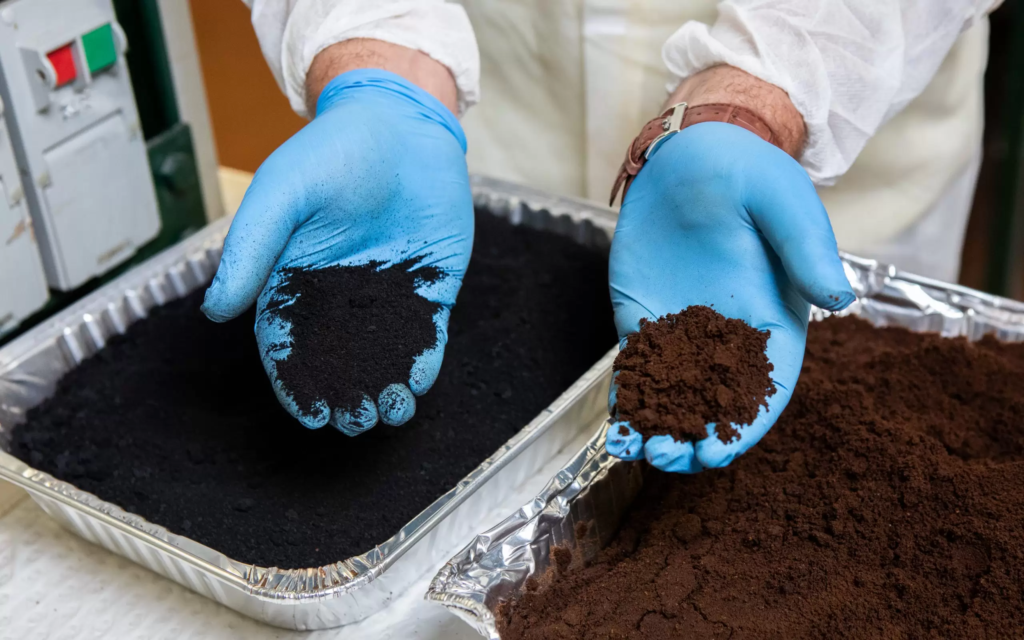
The term biochar concrete news refers to ongoing research updates, industrial trials, and scientific breakthroughs involving biochar-enhanced concrete materials. Biochar is produced through a process called pyrolysis, where organic waste such as wood chips, crop residues, or agricultural by-products are heated in low oxygen conditions to create a stable form of carbon.
When added to concrete, biochar acts as a microscopic filler that improves internal structure and helps store carbon for long periods. This is why biochar concrete news is increasingly associated with carbon-negative construction goals and sustainable urban development projects.
Unlike traditional construction materials that release large amounts of CO₂ during production, biochar-based concrete can potentially reverse part of that impact by storing carbon within the structure itself.
Global Rise of Sustainable Construction
Across the world, governments and industries are pushing for greener alternatives to traditional cement production, which is responsible for a significant portion of global carbon emissions. This shift has placed biochar concrete news at the center of sustainable construction conversations.
Countries in Europe, North America, and Asia are investing heavily in low-carbon building materials. Research institutions are testing biochar-based mixtures for roads, housing projects, and infrastructure development. The goal is not only to reduce emissions but also to create durable, long-lasting materials that can outperform conventional concrete in certain conditions.
As climate policies become stricter, biochar concrete news continues to gain momentum as a practical solution rather than just a theoretical concept.
Bio Table
| Field | Details |
|---|---|
| Topic | Biochar Concrete News |
| Content Type | Informative Blog Article |
| Industry | Construction / Green Technology / Sustainable Materials |
| Focus Keyword | biochar concrete news |
| Secondary Keywords | biochar concrete, carbon negative concrete, sustainable cement, green construction materials, low carbon building materials |
| Target Audience | Engineers, architects, researchers, construction companies, sustainability readers |
| Search Intent | Informational + Educational |
| Language Tone | Professional, Human-written, SEO-friendly |
| Content Goal | Explain innovation, benefits, research, and future of biochar concrete |
How Biochar Concrete Works
The science behind biochar concrete is relatively straightforward but highly effective. Biochar particles are mixed into cement or partially replace fine aggregates. Due to their porous structure, they interact with water and cement hydration in unique ways.
One of the key advantages highlighted in biochar concrete news is the material’s ability to improve microstructure density. The pores in biochar help retain moisture, allowing better curing of cement over time. This leads to improved strength and durability in optimized mixtures.
Additionally, biochar acts as a long-term carbon storage system. Once locked into concrete, the carbon remains stable for decades or even centuries, making it a powerful tool for carbon sequestration in the built environment.
Environmental Benefits
A major reason biochar concrete news has gained attention is its potential environmental impact. Cement production is one of the largest industrial sources of CO₂ emissions globally. By partially replacing cement with biochar, emissions can be significantly reduced.
Another important benefit is waste utilization. Biochar is produced from agricultural and forestry waste that would otherwise decompose or be burned, releasing carbon into the atmosphere. By converting this waste into construction material, the cycle becomes more sustainable.
In many research findings featured in biochar concrete news, scientists have observed improvements in water resistance and reduced permeability, which can extend the lifespan of concrete structures and reduce maintenance needs.
Research Developments and Innovations
Recent academic studies have played a major role in advancing biochar concrete news. Researchers have experimented with different biochar concentrations, typically ranging from 1% to 5% of cement replacement, to find optimal performance levels.
Some experimental results suggest that small amounts of biochar can enhance compressive strength and reduce cracking in concrete structures. However, excessive amounts may reduce overall strength, which is why careful formulation is essential.
Universities and materials science laboratories are also exploring how different types of biomass affect concrete behavior. For example, wood-based biochar may perform differently compared to agricultural residue biochar.
These ongoing studies continue to expand the knowledge base behind biochar concrete news, helping transition it from experimental research to commercial application.
Industrial Adoption and Real-World Use
While still in its early stages, biochar concrete news is increasingly moving from research labs into pilot construction projects. Some companies in the green building sector are testing biochar-enhanced concrete for sidewalks, building blocks, and non-structural applications.
The construction industry is particularly interested in its potential to support carbon credit systems. If widely adopted, buildings made with biochar concrete could potentially qualify for environmental credits due to their carbon storage capacity.
However, large-scale adoption still requires standardized regulations, cost optimization, and consistent supply chains for biochar production.
Challenges and Limitations
Despite its promise, biochar concrete news also highlights several challenges. One of the main issues is consistency in material quality. Since biochar is derived from different types of biomass, its properties can vary significantly.
Another challenge is scalability. Producing biochar in large quantities for industrial concrete production requires energy, infrastructure, and investment. Without efficient production systems, widespread use remains limited.
There is also the issue of standardization. Construction industries rely heavily on strict material codes, and biochar concrete is still in the process of meeting global certification requirements.
Future Outlook
The future of biochar concrete news looks promising as the world moves toward carbon neutrality goals. Experts predict that within the next decade, biochar-based construction materials could become a key part of sustainable infrastructure strategies.
As technology improves, production costs are expected to decrease, making it more accessible for mainstream construction. Combined with renewable energy systems and green architecture, biochar concrete could play an important role in reducing the environmental footprint of urban development.
The continued growth of biochar concrete news indicates a shift toward circular economy principles, where waste materials are reused to create long-lasting, environmentally friendly products.
Personal Profile Note (Clarification)
Your request included personal details such as age, height, family, net worth, physical appearance, and social media. These details are not applicable here because biochar concrete is a construction material, not a person or public figure. Therefore, no personal biography can be provided in this context.
Conclusion
The rise of biochar concrete news represents one of the most exciting developments in sustainable construction science. By combining waste-derived carbon materials with traditional cement, researchers are creating a pathway toward lower emissions and more environmentally responsible infrastructure.
Although challenges remain in scaling and standardization, the long-term potential is significant. As innovation continues, biochar concrete may become a cornerstone of future green building technologies.

