

Introduction
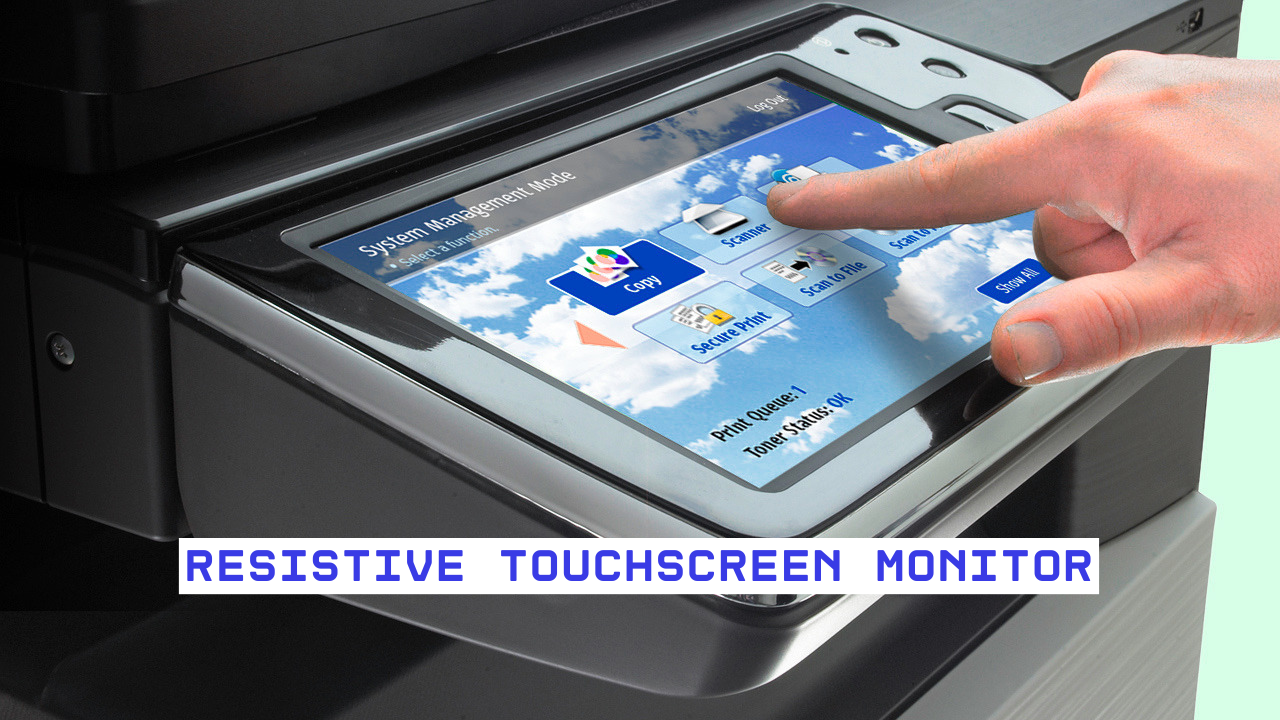
A resistive touchscreen monitor is one of the oldest and most trusted touch technologies used in digital devices. Long before modern smartphones became common, this type of screen was already helping people interact with machines in a simple and effective way. Even today, it remains widely used in many industries because of its reliability and practical design.
This technology is especially valued in environments where conditions are not perfect. Dust, moisture, or the need to wear gloves can make modern touchscreens difficult to use, but resistive screens continue to perform well in such situations. That is why they are still an important part of many systems around the world.
In this article, you will learn everything about a resistive touchscreen monitor in a clear and human-friendly way. From its working method to its benefits and real-world uses, every detail is explained in simple language.
What Is a Resistive Touchscreen Monitor?
A resistive touchscreen monitor is a display that responds when pressure is applied to its surface. Unlike newer touchscreens that rely on the electrical properties of the human finger, this type of screen works when two internal layers come into contact due to pressure.
The design allows the screen to detect input from almost anything. You can use your finger, a stylus, gloves, or even a small object like a pen. This flexibility makes it very useful in situations where direct skin contact is not possible.
Because it depends on pressure rather than touch sensitivity, the experience may feel slightly different compared to modern screens. However, this same feature is what makes it reliable and versatile in many working environments.
How Resistive Touchscreen Technology Works
The working principle of a resistive touchscreen monitor is simple but very effective. It uses two thin layers coated with a conductive material. These layers are separated by a small gap and only connect when pressure is applied.
When you press the screen, the top flexible layer bends and touches the bottom rigid layer. This contact changes the electrical signal at that point. The system quickly detects this change and calculates the exact position where the touch occurred.
Once the position is identified, the monitor sends the information to the device. The device then performs the required action, such as opening a menu or selecting an option. This process happens almost instantly, making the interaction smooth and reliable.
| Feature | Details |
|---|---|
| Name | Resistive Touchscreen Monitor |
| Type | Touch Input Display Technology |
| Working Method | Pressure-based (two layers make contact) |
| Main Materials | Plastic film, glass, conductive coating |
| Input Methods | Finger, stylus, gloves, any object |
| Touch Support | Single-touch only |
| Accuracy Level | High precision |
| Display Quality | Moderate (less bright than modern screens) |
| Durability | Good, but top layer may wear over time |
| Common Uses | ATMs, POS systems, industrial machines, medical |
| Cost Level | Low to medium |
| Special Feature | Works in dust, water, and harsh conditions |
Structure and Layers of the Screen
A resistive touchscreen monitor is made up of several carefully designed layers that work together to detect touch accurately. Each layer plays a specific role in the overall performance of the screen.
The top layer is flexible and acts as the surface you touch. It is usually made of plastic and is designed to bend slightly when pressure is applied. Beneath this is a conductive coating that helps carry electrical signals.
The bottom layer is typically made of glass, providing strength and stability. It also has a conductive coating. Between these layers are tiny spacer dots that keep them apart when the screen is not being pressed.
When pressure is applied, the layers connect at the exact point of touch. This creates an electrical signal that the system uses to determine the location. This layered structure is what makes resistive touchscreens both simple and effective.
Types of Resistive Touchscreen Monitors
There are different types of resistive touchscreen monitors, and each type offers a slightly different level of performance and durability.
The 4-wire resistive touchscreen is the most basic type. It is affordable and commonly used in simple devices. However, it may wear out faster because the top layer handles most of the sensing work.
The 5-wire resistive touchscreen is more advanced and durable. It uses a different method to detect touch, which reduces wear and increases accuracy. This type is often used in industrial and professional systems.
The 8-wire resistive touchscreen is designed for even higher accuracy and better calibration. Although less common, it is used in applications where precision is extremely important.
Benefits of Resistive Touchscreen Monitors
A resistive touchscreen monitor offers many benefits that make it a strong choice for specific applications.
One of the biggest advantages is its ability to work with any input method. You do not need to use your bare finger. Gloves, styluses, and other objects can easily be used, making it ideal for medical and industrial environments.
Another key benefit is its high level of precision. The pressure-based system allows for accurate input, which is useful when selecting small items or performing detailed tasks.
Cost is also an important factor. Resistive touchscreens are generally more affordable than modern alternatives, making them suitable for budget-friendly devices and systems.
In addition, these screens perform well in harsh conditions. Dust, water, and dirt do not affect them as much as other touchscreen technologies. This makes them reliable in outdoor and industrial settings.
Disadvantages You Should Know
Despite its strengths, a resistive touchscreen monitor also has some limitations that should be considered.
One of the main drawbacks is that it requires pressure to operate. This can make it feel less smooth compared to modern touchscreens that respond to light taps.
The display quality is another limitation. Resistive screens are usually not as bright or clear as newer technologies, which may affect the viewing experience.
They also do not support multi-touch gestures, such as zooming in or out with two fingers. This can limit their use in applications that require advanced touch features.
Over time, the top layer may wear out due to repeated pressing. However, this depends on the quality of the screen and how it is used.
Where Resistive Touchscreens Are Used
A resistive touchscreen monitor is still widely used in many industries because of its reliability and flexibility.
In industrial settings, these screens are commonly found in machines and control panels. Workers often wear gloves, and resistive touchscreens allow them to operate systems without removing them.
In the medical field, these monitors are used in equipment where cleanliness and glove use are important. Their ability to work with different input methods makes them very practical.
ATMs and point-of-sale systems also use resistive touchscreens because they are simple, cost-effective, and reliable for everyday use.
Some automotive systems, especially older models, use this technology for navigation and control panels. Its durability makes it suitable for long-term use.
Resistive vs Modern Touchscreen Technology
When comparing a resistive touchscreen monitor with modern touchscreen technologies, the differences become clear.
Resistive screens rely on pressure and are designed for single-touch input. They are affordable and highly accurate, especially for detailed tasks.
Modern capacitive screens, on the other hand, detect electrical signals from the human body. They support multi-touch gestures and offer better display quality. This makes them ideal for smartphones and tablets.
However, resistive screens still have an advantage in environments where durability and flexibility are more important than advanced features.
Durability and Lifespan
A resistive touchscreen monitor is designed to be durable, especially in challenging environments. Its lifespan depends on the quality of the materials used and how often it is pressed.
The top flexible layer may eventually show signs of wear after heavy use. However, high-quality versions, such as 5-wire screens, are built to last longer and maintain their accuracy over time.
With proper care, these monitors can function effectively for many years without major issues.
Maintenance and Care
Maintaining a resistive touchscreen monitor is simple and does not require special tools.
Cleaning the screen regularly with a soft cloth helps keep it free from dust and dirt. It is also important to avoid using sharp objects that could damage the surface.
Applying only the necessary amount of pressure can help extend the life of the screen. Keeping the monitor away from extreme heat and moisture also helps maintain its performance.
Regular care ensures that the screen remains responsive and reliable over time.
Future of Resistive Touchscreen Technology
Even with the rise of advanced touchscreen technologies, the resistive touchscreen monitor continues to evolve. Manufacturers are working to improve its durability, sensitivity, and display quality.
These improvements are helping resistive screens remain relevant in industries where precision and reliability are essential. While they may not replace modern touchscreens in consumer devices, they will continue to play an important role in professional applications.
Important Note About Personal Details
It is important to understand that a resistive touchscreen monitor is a technology, not a person. Details such as age, height, family, net worth, physical appearance, and social media are not applicable in this context.
Instead, the focus should remain on its technical features, working principles, and practical uses.
Conclusion
A resistive touchscreen monitor is a dependable and practical technology that has remained useful for many years. Its pressure-based system, flexibility, and durability make it suitable for a wide range of applications.
Although modern touchscreens offer more advanced features, resistive screens continue to be the preferred choice in environments where accuracy, affordability, and reliability are most important.
For anyone looking for a simple and effective touchscreen solution, this technology remains a strong and valuable option.
FAQs
Q: What is a resistive touchscreen monitor?
A: It is a display that detects input when pressure is applied, allowing you to use a finger, stylus, or any object to control it.
Q: How does a resistive touchscreen work?
A: It uses two thin layers that touch each other when pressed, creating an electrical signal to detect the touch point.
Q: What are the main benefits of resistive touchscreens?
A: They are affordable, highly accurate, and can be used with gloves or styluses in different environments.
Q: What are the disadvantages of resistive touchscreens?
A: They require pressure, do not support multi-touch, and usually have lower display clarity than modern screens.
Q: Where are resistive touchscreen monitors commonly used?
A: They are used in ATMs, industrial machines, medical devices, and point-of-sale systems.

