

Introduction
The nuclear energy industry depends on precision, safety, and reliability at every operational level. Inside a nuclear power plant, even the smallest electrical component plays a critical role in maintaining stable operations and protecting both workers and the environment. Among these essential components, rockbestos cable nuclear systems have become one of the most trusted solutions for high-performance electrical protection in hazardous environments.
Designed specifically for extreme industrial conditions, rockbestos nuclear products are engineered to withstand intense heat, radiation exposure, moisture, fire, pressure, and chemical contamination. These specialized cables are not ordinary industrial wires. They are developed to continue functioning even during severe operational incidents where standard cables would quickly fail.
As nuclear facilities continue expanding worldwide, the importance of durable and long-lasting electrical infrastructure has increased dramatically. From emergency shutdown systems to reactor instrumentation, rockbestos cable nuclear technology supports some of the most important safety operations inside modern power plants.
This article explores the complete details of rockbestos cable nuclear, including its history, applications, design structure, benefits, safety performance, future technology, and its growing role in the nuclear energy sector.
Bio Table
| Field | Details |
|---|---|
| Keyword | rockbestos cable nuclear |
| Article Type | Informative Technical Blog |
| Category | Technology |
| Sub Category | Nuclear Engineering |
| Focus Topic | Nuclear-grade cable systems |
| Main Purpose | Explain the uses, safety, and importance of rockbestos cable nuclear systems |
| Reading Level | Easy to Moderate |
| Article Length | 1400+ Words |
| SEO Focus | Industrial safety and nuclear infrastructure |
| Target Audience | Engineers, students, industrial readers, technology enthusiasts |
| Tone | Professional and informative |
| Keyword Usage | 12+ Times |
| Content Style | Human-written style with short paragraphs |
| Best For | Technical and educational blogs |
What Is Rockbestos Cable Nuclear?
The term rockbestos cable nuclear refers to a category of nuclear-grade electrical cables manufactured for use in nuclear power stations and other high-risk industrial environments. These cables are specifically designed to survive under conditions that involve elevated temperatures, radiation, steam, chemical exposure, and emergency accident scenarios.
Unlike regular commercial cables, rockbestos cable systems undergo extensive qualification testing before they are approved for installation inside nuclear facilities. Their primary purpose is to ensure continuous electrical operation during both normal plant activities and emergency situations.
These cables are commonly installed in reactor containment structures, control rooms, instrumentation systems, cooling systems, backup generators, and emergency safety circuits.
The reliability of cable nuclear products makes them a foundational part of modern nuclear infrastructure.
The Development of Nuclear Cable Technology
When nuclear energy facilities began expanding during the twentieth century, engineers quickly discovered that traditional industrial cables could not tolerate the extreme conditions found inside reactor environments.
High radiation levels caused ordinary insulation materials to crack and deteriorate over time. Excessive temperatures, steam pressure, and emergency fire conditions further increased the risk of cable failure.
To solve these problems, manufacturers began developing specialized nuclear-grade cable systems. Over the years, rockbestos cable nuclear technology evolved into one of the industry’s most respected cable solutions because of its outstanding durability and long-term operational stability.
Today, many advanced nuclear facilities continue using cable nuclear products for critical safety applications because of their proven performance history.
Why Nuclear Facilities Require Specialized Cables
Nuclear power plants operate differently from standard industrial sites. Electrical systems inside reactors must continue functioning even under highly stressful conditions.
A single cable failure can interrupt communication systems, emergency controls, cooling equipment, or monitoring instruments. Because of this, every cable installed inside sensitive areas must meet strict nuclear safety requirements.
Rockbestos cable nuclear systems are built to handle several difficult environmental challenges at the same time. These include prolonged radiation exposure, sudden temperature increases, moisture intrusion, vibration, chemical contamination, and fire hazards.
This combination of environmental resistance is what separates nuclear-grade cables from conventional industrial wiring.
Construction and Design
The internal design of rockbestos cable nuclear products is carefully engineered for maximum reliability and protection.
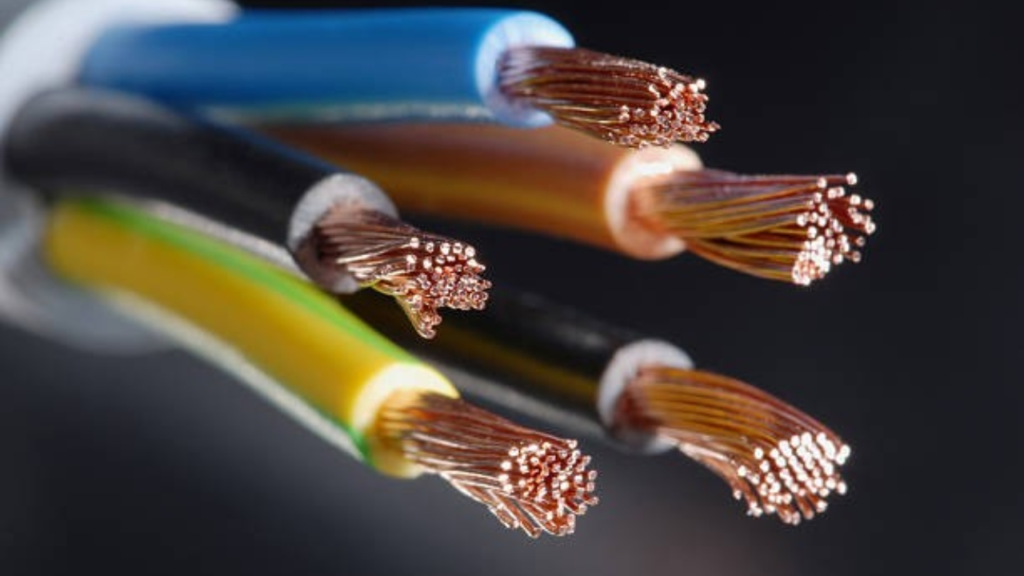
Most nuclear-grade cables contain high-conductivity copper conductors surrounded by advanced insulation materials. These insulation layers are designed to resist radiation damage while maintaining electrical stability for decades.
Additional protective jackets help prevent moisture penetration and chemical corrosion. Many versions of cable nuclear products also include shielding systems that minimize electrical interference in sensitive instrumentation circuits.
The outer jacket is often flame-resistant and capable of maintaining structural integrity during high-temperature events. This ensures the cable can continue transmitting power or signals even during emergency situations.
Radiation Resistance
One of the most important characteristics of cable nuclear technology is radiation resistance.
Inside nuclear facilities, cables may remain exposed to radiation for many years. Over time, radiation can damage ordinary insulation materials and reduce their flexibility and performance.
To prevent this issue, rockbestos cable nuclear systems use specially formulated compounds that maintain stability under prolonged radiation exposure. This allows the cable to continue functioning safely without premature aging or insulation breakdown.
Radiation resistance is especially important in containment areas where emergency systems must remain operational under accident conditions.
Fire Safety Performance
Fire protection is another major advantage of rockbestos cable nuclear systems.
During a fire emergency, electrical systems inside a nuclear facility must continue operating long enough to support reactor shutdown procedures, cooling operations, and safety monitoring systems.
For this reason, nuclear-grade cables are designed with flame-retardant materials that resist ignition and limit flame spread. Many rockbestos cable nuclear products are also engineered to produce low smoke levels during combustion, helping maintain visibility and reduce toxic gas exposure during emergencies.
This fire-resistant capability plays a major role in maintaining plant safety during critical situations.
Temperature and Environmental Protection
Nuclear facilities expose electrical systems to extreme operating conditions. High heat, steam pressure, humidity, and chemical exposure are common inside reactor environments.
Rockbestos cable nuclear technology is specifically designed to tolerate these harsh conditions without compromising electrical performance.
The cable insulation and protective jackets help prevent water penetration, corrosion, cracking, and thermal degradation. This level of environmental protection allows the cable to maintain long-term reliability even in difficult operational areas.
Because nuclear plants often operate continuously for decades, this durability is essential.
Applications Inside Nuclear Facilities
Modern nuclear power stations use rockbestos cable nuclear products in many critical areas.
These cables are widely installed in reactor control systems where stable signal transmission is required for monitoring and automation. They are also used in instrumentation circuits connected to temperature sensors, pressure monitors, and radiation detection systems.
Emergency core cooling systems depend heavily on reliable electrical connections. In these situations, rockbestos cable nuclear products help maintain safe reactor temperatures during abnormal operating conditions.
Backup generators, emergency lighting systems, containment monitoring equipment, and communication networks also rely on nuclear-grade cable systems for uninterrupted operation.
Without dependable cabling infrastructure, reactor safety systems could become vulnerable during emergencies.
Testing and Qualification Standards
Before installation inside a nuclear facility, every cable nuclear product must undergo extensive testing and certification procedures.
Manufacturers perform radiation aging tests to simulate years of exposure inside reactor environments. Thermal aging tests evaluate how insulation materials react to high operating temperatures over long periods.
Fire survival testing measures the cable’s ability to maintain circuit integrity during direct flame exposure. Additional testing may include steam exposure simulations, chemical resistance evaluations, vibration testing, and pressure testing.
These qualification procedures ensure that rockbestos cable nuclear systems meet the strict safety expectations required by nuclear regulatory authorities.
Advantages Over Standard Industrial Cables
One reason rockbestos cable nuclear products remain widely used is their superior performance compared to ordinary industrial wiring systems.
Traditional industrial cables may function well in commercial facilities, but they are not designed for prolonged radiation exposure or severe accident environments.
Nuclear-grade cables provide greater operational lifespan, stronger fire resistance, improved thermal performance, and enhanced environmental durability.
Because of these advantages, rockbestos cable technology helps reduce maintenance requirements and improves long-term plant reliability.
Economic Importance
Although nuclear-grade cables are more expensive to manufacture than standard electrical cables, their long-term value is significant.
Replacing damaged cables inside reactor containment areas can be extremely difficult and costly. Plant shutdowns for cable repairs may also result in major financial losses.
By using durable and highly reliable systems like rockbestos cable , facility operators can reduce maintenance frequency and improve operational efficiency over time.
The long service life of these cables makes them a valuable investment for nuclear infrastructure projects.
Future of Rockbestos Cable Nuclear Technology
As nuclear energy technology evolves, cable manufacturers continue developing improved materials and smarter monitoring systems.
Future generations of rockbestos nuclear products may include advanced insulation compounds with even greater radiation tolerance and thermal resistance.
Some researchers are also exploring intelligent cable monitoring systems capable of detecting aging, temperature changes, and insulation degradation before failures occur.
These innovations could improve preventive maintenance programs and further strengthen reactor safety operations.
With many countries investing in clean energy alternatives, nuclear power is expected to remain an important part of the global energy sector. This continued growth will likely increase demand for high-performance nuclear-grade cable solutions.
The Role of Rockbestos Cable Nuclear in Safety
Inside a nuclear power plant, safety systems must perform reliably under every possible condition. Electrical infrastructure is one of the most important parts of that protection system.
Rockbestos cable nuclear technology helps ensure that critical monitoring equipment, emergency cooling systems, and shutdown controls remain operational when they are needed most.
The ability to survive radiation exposure, fire events, heat, moisture, and chemical contamination makes these cables essential for maintaining reactor stability and protecting public safety.
For decades, nuclear engineers have trusted rockbestos nuclear systems because of their proven reliability and strong safety record.
Conclusion
The nuclear industry depends on equipment that can perform consistently under some of the harshest operating conditions in the world. Among the many specialized technologies used inside modern reactors, rockbestos cable nuclear systems stand out as one of the most important components for operational safety and reliability.
These cables are carefully engineered to resist radiation, fire, moisture, extreme temperatures, and long-term environmental stress. Their role in emergency systems, reactor controls, instrumentation, and power distribution makes them a critical part of nuclear facility infrastructure.
As nuclear energy continues evolving, the importance of durable electrical systems will only grow stronger. Through advanced engineering and decades of proven performance, rockbestos nuclear technology continues supporting the safe and efficient operation of nuclear facilities worldwide.
FAQs
Q: What is rockbestos cable nuclear?
A: It is a nuclear-grade electrical cable designed for high-radiation and high-temperature environments inside nuclear facilities.
Q: Why is rockbestos cable nuclear important?
A: It helps maintain critical electrical systems during emergencies, ensuring reactor safety and stable operations.
Q: Can regular industrial cables be used in nuclear plants?
A: No, standard cables usually cannot withstand radiation, heat, and fire conditions found in nuclear environments.
Q: What materials are used in rockbestos cable nuclear systems?
A: These cables commonly use copper conductors, radiation-resistant insulation, flame-retardant jackets, and protective shielding.
Q: Where are rockbestos cable nuclear products commonly installed?
A: They are used in reactor control systems, instrumentation equipment, emergency cooling systems, and backup power networks.

