

Introduction
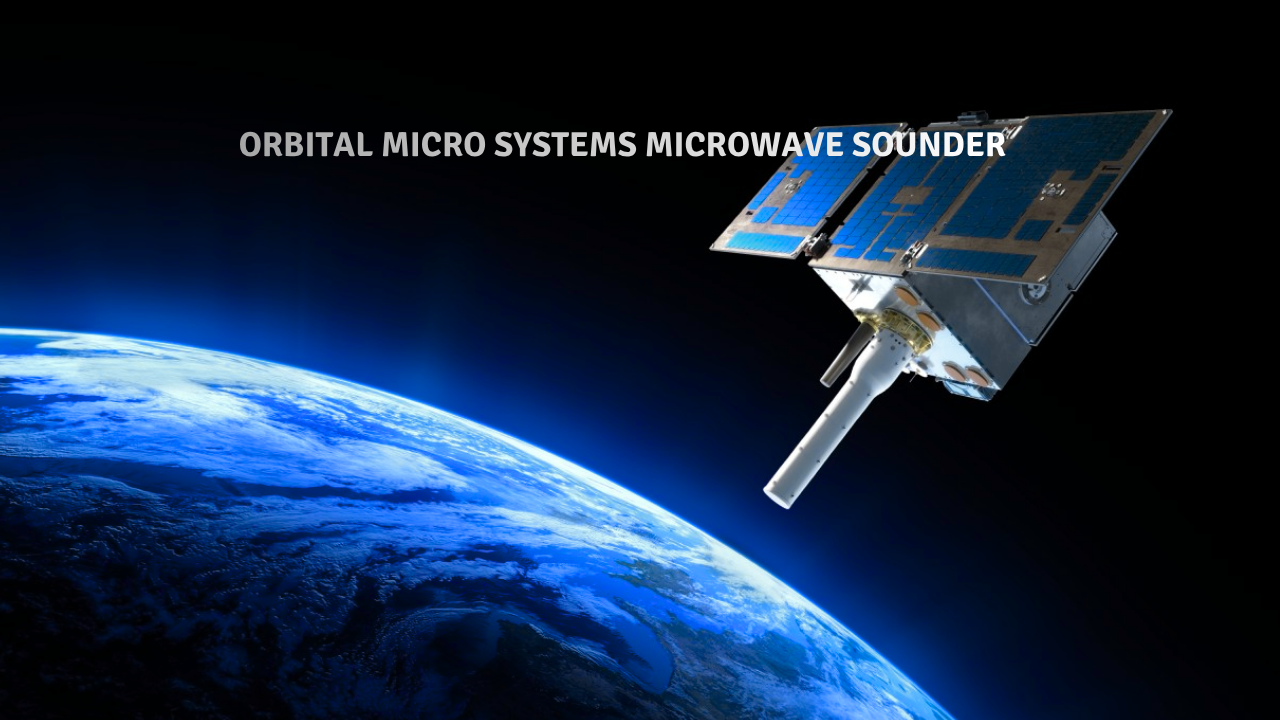
The demand for faster, more accurate, and high-resolution weather data has pushed satellite technology into a new era. Among the most important innovations in this field is the orbital micro systems microwave sounder, a compact but highly advanced atmospheric sensing instrument designed for modern Earth observation.
The orbital micro systems microwave sounder is not just another satellite payload—it represents a shift toward low-cost, high-frequency, and high-precision weather monitoring. Built for small satellite platforms, it helps scientists understand atmospheric conditions in real time, even through clouds and storms.
The orbital micro systems microwave plays a crucial role in filling data gaps left by traditional weather satellites, especially in rapidly changing weather systems like hurricanes and cyclones.
In this article, we will explore how the systems microwave sounder works, its benefits, applications, and why it is considered a breakthrough in meteorology and space technology.
Bio Table
| Field | Details |
|---|---|
| Topic | Orbital Micro Systems Microwave Sounder |
| Category | Space Technology / Satellite Meteorology / Earth Observation |
| Focus Keyword | orbital micro systems microwave sounder |
| Article Type | Informational / Technical Blog |
| Language | English |
| Target Audience | Tech readers, meteorologists, space enthusiasts, researchers |
| Purpose | Explain technology, benefits, and applications of microwave sounder systems |
| Tone | Informative, professional, human-written style |
What is Orbital Micro Systems Microwave Sounder
The orbital micro systems microwave sounder is a space-based microwave radiometer developed to measure atmospheric temperature, humidity, and moisture profiles from orbit. It is typically deployed on small satellites such as CubeSats, making it significantly more cost-effective than traditional large satellite systems.
At its core, the micro systems microwave sounder detects natural microwave radiation emitted by the Earth and its atmosphere. These signals are then processed to reconstruct a vertical profile of weather conditions across different layers of the atmosphere.
Unlike optical sensors, the orbital micro systems microwave can “see” through clouds, making it extremely useful for storm monitoring and weather prediction.
The orbital micro systems microwave is part of a new generation of Earth observation tools designed to deliver near real-time global weather intelligence.
Technology Behind the System
The technology used in the micro systems microwave sounder is based on passive microwave sensing. Instead of emitting signals, it listens to naturally occurring radiation in the microwave spectrum.
The systems microwave sounder uses multiple frequency channels, often including oxygen and water vapor absorption bands. These frequencies allow scientists to extract temperature and humidity data at different altitudes.
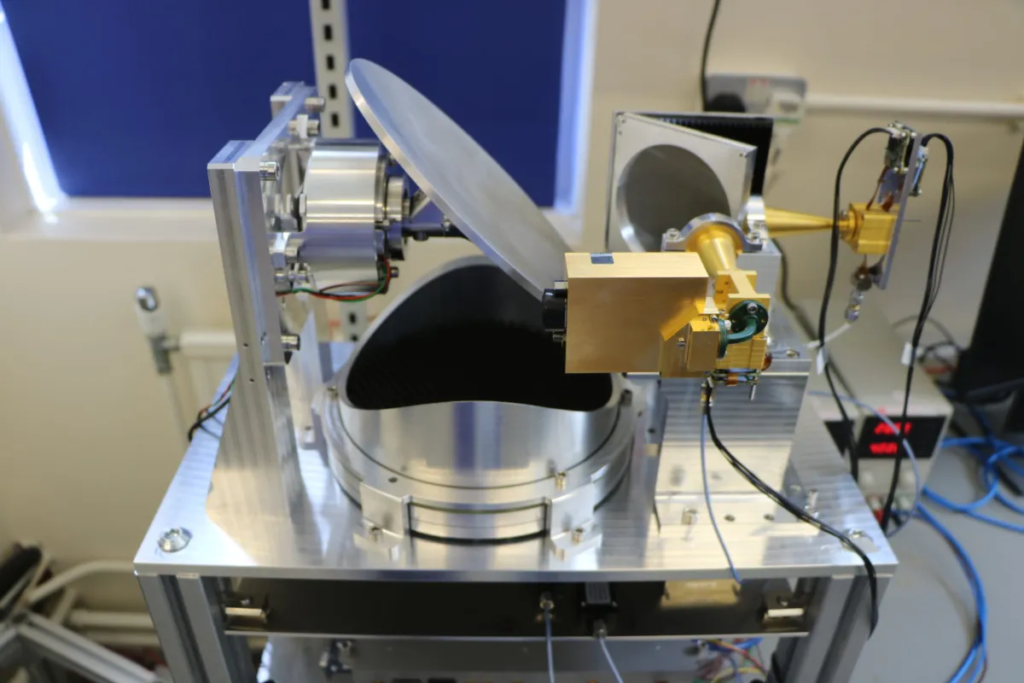
One of the most important aspects of the systems microwave sounder is its miniaturization. Traditional microwave sounders are large and expensive, but this system is designed to fit on small satellites without compromising accuracy.
The orbital micro systems microwave sounder also integrates advanced onboard processing, which reduces data transmission delays and enables faster weather model updates.
How the System Works
The orbital micro systems microwave operates by scanning the Earth’s atmosphere from low Earth orbit. As the satellite passes over a region, it collects microwave radiation data from the surface and atmospheric layers.
Each signal captured by the orbital micro systems microwave sounder corresponds to specific atmospheric conditions. Oxygen absorption channels help determine temperature, while water vapor channels provide humidity profiles.
The orbital micro systems microwave sounder converts these measurements into vertical atmospheric profiles that meteorologists use to analyze weather systems.
Because the orbital micro systems microwave can collect data continuously, it provides frequent updates that improve forecasting accuracy, especially for rapidly developing weather events.
Importance in Modern Meteorology
The orbital micro systems microwave sounder is considered a game-changer in meteorology because it significantly improves the speed and resolution of weather data collection.
Traditional satellites often provide updates every few hours, but the orbital micro systems microwave can deliver data in much shorter intervals, sometimes within minutes.
This frequent observation capability makes the orbital micro systems microwave sounder especially valuable for predicting severe weather conditions like hurricanes, thunderstorms, and flash floods.
Meteorologists rely on the orbital micro systems microwave sounder to improve numerical weather prediction models, which depend heavily on accurate atmospheric inputs.
Key Benefits of the System
One of the most important advantages of the orbital micro systems microwave sounder is its ability to provide all-weather observation. Unlike optical satellites, it is not affected by clouds or nighttime conditions.
The orbital micro systems microwave sounder also reduces the cost of satellite-based weather monitoring. By using small satellites instead of large, expensive platforms, it makes global weather coverage more accessible.
Another major benefit of the orbital micro systems microwave sounder is its contribution to real-time forecasting. Faster data updates allow meteorologists to issue earlier warnings for extreme weather events.
The orbital micro systems microwave sounder also supports climate research by providing long-term atmospheric datasets that help scientists understand climate patterns and changes.
Applications in Real Life
The orbital micro systems is widely used across multiple industries beyond meteorology.
In aviation, the orbital micro systems microwave sounder helps pilots and airlines avoid turbulence and dangerous storm systems by providing updated atmospheric data.
In agriculture, the orbital micro systems assists farmers in understanding rainfall patterns and soil moisture conditions, improving crop planning and irrigation strategies.
Disaster management agencies also rely on the orbital micro systems to track hurricanes, floods, and cyclones, enabling faster emergency response.
Energy companies use the orbital micro systems to predict weather conditions that affect renewable energy production, especially wind and solar power generation.
Role in Climate Science
The orbital micro systems microwave is an important tool for climate scientists studying long-term atmospheric trends.
By continuously collecting global temperature and humidity profiles, the orbital micro systems microwave sounder helps researchers monitor changes in Earth’s climate system.
This data from the orbital micro systems microwave is essential for improving climate models and understanding how weather systems evolve over time.
Comparison with Traditional Systems
Traditional weather satellites are large, expensive, and limited in number. They often struggle to provide frequent updates over specific regions.
In contrast, the orbital micro systems microwave is designed for deployment in satellite constellations, allowing continuous global coverage.
The orbital micro systems microwave sounder also offers higher revisit rates, meaning it can observe the same location more frequently than older systems.
This difference makes the orbital micro systems microwave sounder more suitable for modern weather forecasting needs.
Future of Microwave Sounding Technology
The future of the systems microwave sounder is closely tied to the growth of small satellite constellations.
As more satellites equipped with thesystems microwave sounder are launched, global weather coverage will become even faster and more detailed.
Future versions of the systems microwave sounder are expected to include improved resolution, better onboard processing, and enhanced data analytics capabilities.
This evolution will make the orbital micro systems microwave a central component of next-generation Earth observation systems.
Challenges and Limitations
Despite its advantages, the orbital micro systems microwave also faces challenges.
One limitation is data interpretation complexity. The signals collected by the orbital micro systems microwave sounder require advanced algorithms to convert into usable weather data.
Another challenge is satellite coordination. As more orbital micro systems microwave units are deployed, managing data from multiple satellites becomes increasingly complex.
However, ongoing technological improvements are expected to reduce these limitations over time.
Conclusion
The orbital micro systems microwave sounder represents a significant advancement in space-based weather monitoring. Its ability to provide high-frequency, all-weather atmospheric data makes it a powerful tool for meteorology, climate science, and disaster management.
By combining compact satellite technology with advanced microwave sensing, the orbital micro systems microwave sounder is transforming how we observe and understand Earth’s atmosphere.
As satellite constellations continue to expand, the orbital micro systems microwave sounder will play an even greater role in delivering real-time global weather intelligence.
FAQs
Q: What is orbital micro systems microwave sounder?
A: It is a satellite-based microwave sensor used to measure atmospheric temperature and humidity.
Q: How does orbital micro systems microwave sounder work?
A: It detects natural microwave radiation from Earth and converts it into atmospheric data profiles.
Q: Why is orbital micro systems microwave sounder important?
A: It improves weather forecasting accuracy and provides real-time atmospheric data.
Q: Can orbital micro systems microwave sounder work in bad weather?
A: Yes, it can observe through clouds, storms, and at night.
Q: What industries use orbital micro systems microwave sounder data?
A: Meteorology, aviation, agriculture, disaster management, and climate research.

