

Introduction
The Diana Hoover Platform is one of the most remarkable offshore oil and gas developments ever built in the Gulf of Mexico. Known for its advanced deepwater production technology, the project became an important milestone in offshore engineering when it started production in the early 2000s. Even today, the Diana Hoover Platform remains a respected name in the global offshore energy sector because of its innovative design, massive production capacity, and role in deepwater exploration.
Located hundreds of miles offshore in extremely deep waters, the Diana Hoover Platform was developed to unlock oil and natural gas reserves that were once considered too difficult and expensive to produce. The project combined cutting-edge subsea systems, floating production technology, and sophisticated drilling operations to create one of the most successful offshore developments in the region.
The story of the Diana Hoover Platform is not only about oil production. It is also about engineering ambition, economic impact, and the evolution of modern offshore technology.
Bio Table
| Field | Details |
|---|---|
| Platform Name | Diana Hoover Platform |
| Industry | Offshore Oil and Gas |
| Location | Gulf of Mexico |
| Developed By | ExxonMobil and Partners |
| Project Type | Deepwater Offshore Production Facility |
| Water Depth | Approximately 4,800 Feet |
| Production Start | 2000 |
| Main Technology | Deep Draft Caisson Vessel (DDCV) |
| Production Capacity | Around 100,000 Barrels Per Day |
| Main Resources | Crude Oil and Natural Gas |
| Key Feature | Advanced Deepwater Engineering |
| Economic Importance | Major Gulf Offshore Energy Project |
| Current Status | Operational and Partial Decommissioning Activities |
| Famous For | Deepwater Offshore Innovation |
| Category | Energy / Offshore Technology |
Early Discovery
The history of the Diana Hoover Platform began during the 1990s when energy companies explored deepwater regions in the Gulf of Mexico. During this period, geologists discovered the Hoover and Diana oil fields beneath the ocean floor in water depths reaching nearly 5,000 feet.
At that time, operating in such deep waters was considered extremely challenging. Offshore drilling technology was still developing, and only a few companies had the resources and expertise to manage projects in ultra-deepwater conditions.
After extensive studies and investment planning, the Hoover and Diana fields were connected into one integrated offshore production system. This decision later led to the creation of the Diana Hoover Platform, which officially began production around the year 2000.
The project quickly gained international attention because it demonstrated that deepwater reservoirs could be developed safely and efficiently on a large commercial scale.
Location of the Diana Hoover Platform
The Diana Hoover Platform is situated in the Gulf of Mexico, approximately 160 miles south of the Texas coastline near Galveston. The platform operates in a remote offshore environment where weather conditions, ocean currents, and water depths create highly demanding working conditions.
The Hoover field is located in the Alaminos Canyon area, while the Diana field is positioned in the East Breaks region. These offshore blocks contain significant hydrocarbon reserves trapped deep beneath the seabed.
Because of its offshore location, the Diana Hoover Platform depends heavily on underwater infrastructure, subsea pipelines, and advanced transportation systems to move oil and gas to onshore processing facilities.
Platform Design
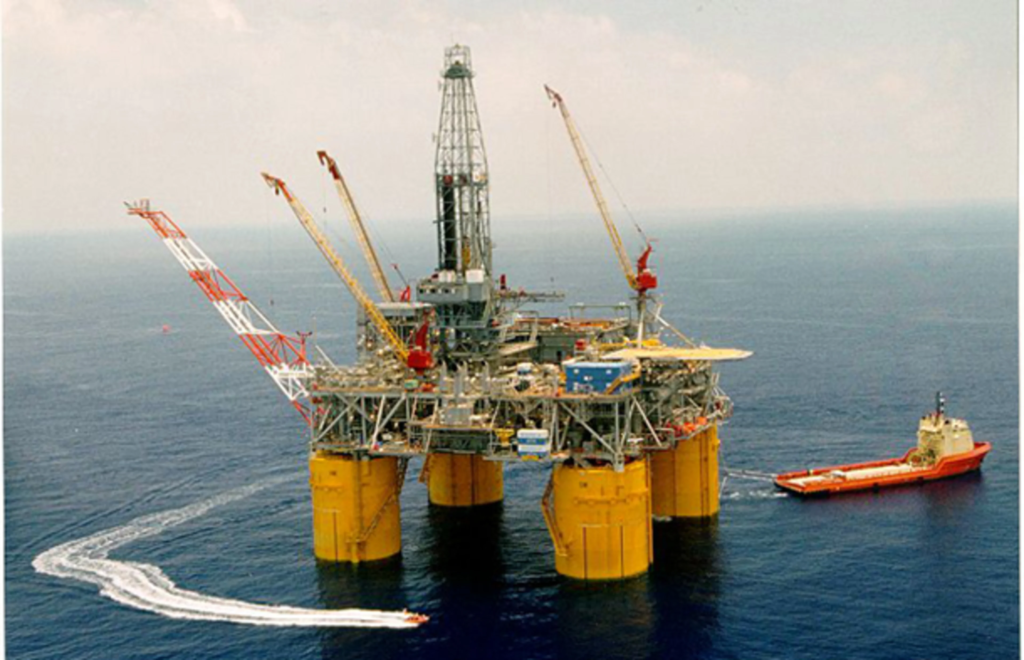
One of the most unique aspects of the Diana Hoover Platform is its engineering design. Unlike traditional fixed offshore platforms, the project uses a Deep Draft Caisson Vessel system, commonly known as a DDCV.
This floating production structure was specially designed for deepwater operations. The system provides stability in rough ocean conditions while supporting drilling, production, and processing activities.
The Diana Hoover Platform was considered revolutionary because it allowed operators to safely produce hydrocarbons in nearly 5,000 feet of water. During its early years, it became one of the deepest offshore production facilities in the world.
The platform also includes advanced mooring systems, underwater flowlines, risers, and production equipment capable of handling high-pressure oil and gas reservoirs.
Production Capacity
The Diana Hoover Platform was designed with large-scale production capability to maximize output from the Hoover and Diana fields.
At peak performance, the facility could process nearly 100,000 barrels of oil per day along with hundreds of millions of cubic feet of natural gas. These numbers made the project one of the major offshore production hubs in the Gulf of Mexico.
The platform separates oil, gas, and produced water before sending hydrocarbons through export pipelines to shore-based facilities. The use of subsea tieback technology also helped reduce infrastructure costs by connecting underwater wells directly to the central production platform.
Because of its strong production performance, the Diana Hoover Platform played a significant role in supporting offshore energy supply for many years.
Deepwater Technology
The success of the Diana Hoover largely came from its advanced deepwater engineering systems. Developing oil reservoirs beneath thousands of feet of ocean water requires specialized equipment and highly trained offshore personnel.
The platform uses subsea wells placed directly on the seabed. These wells connect to underwater pipelines that transport oil and gas back to the main production facility.
Deepwater drilling operations involve remotely operated vehicles, advanced navigation systems, high-pressure safety equipment, and sophisticated monitoring technology.
The Diana Hoover became an important example for future offshore developments because it proved that deepwater production could be commercially successful with the right engineering approach.
Economic Importance
The Diana Platform created significant economic value for the offshore energy industry and the Gulf Coast economy.
The project generated thousands of jobs during construction, drilling, engineering, and operational phases. Offshore workers, marine transport companies, fabrication yards, and technical specialists all benefited from the development.
Large offshore projects like the Diana Hoover also contribute to national energy production and reduce dependence on imported energy resources.
Industry analysts estimated that the overall development cost exceeded one billion dollars, making it one of the largest offshore investments of its time.
The project also encouraged further deepwater exploration in the Gulf of Mexico as companies recognized the commercial potential of offshore reservoirs.
Safety Systems
Operating in deepwater environments involves considerable risks, which is why safety became a major priority for the Diana Hoover Platform.
The facility includes emergency shutdown systems, fire detection technology, evacuation procedures, and blowout prevention equipment designed to protect workers and the surrounding marine environment.
Offshore crews receive specialized safety training to handle emergencies such as storms, equipment failures, or medical incidents. Because hurricanes frequently affect the Gulf region, the platform must also follow strict weather monitoring and evacuation procedures.
The offshore industry learned many valuable lessons from projects like the Diana Hoover , helping improve safety standards across the entire energy sector.
Environmental Considerations
Environmental protection has always been an important issue in offshore oil production. The operators of the Diana Hoover Platform implemented monitoring systems and operational procedures to minimize environmental risks.
Produced water treatment systems, spill prevention technologies, and pipeline inspections help reduce the impact of offshore production activities.
The project also demonstrated how subsea tieback systems can lower the environmental footprint compared to constructing multiple offshore platforms.
Modern offshore projects continue to use lessons learned from the Diana Platform when developing environmentally responsible deepwater operations.
Offshore Workforce
Life on the Diana Platform can be physically demanding. Offshore workers typically spend weeks at sea while operating complex equipment in isolated marine conditions.
Employees include drilling engineers, technicians, safety specialists, marine crews, geologists, and production operators. Offshore personnel work around the clock in rotating shifts to maintain continuous production operations.
Living facilities on the platform include sleeping quarters, dining areas, medical rooms, and communication systems to support crew members during long offshore assignments.
The workforce behind the Diana Hoover played a major role in maintaining safe and efficient production over many years.
Decommissioning Phase
After decades of production, parts of the Diana Platform development entered decommissioning and maintenance phases.
As offshore reservoirs mature, companies begin preparing infrastructure for eventual shutdown and environmental restoration. This process includes cleaning subsea pipelines, removing hydrocarbons, and safely managing offshore equipment.
Decommissioning deepwater facilities is itself a complex engineering challenge. The experience gained from projects like the Diana Platform helps shape future offshore decommissioning strategies worldwide.
Even during this stage, the platform continues to provide valuable lessons for offshore engineers and environmental specialists.
Industry Influence
The influence of the Diana Platform extends far beyond its production numbers. The project helped redefine what was possible in offshore deepwater engineering.
Many later offshore developments adopted similar production concepts, subsea systems, and floating platform technologies inspired by the success of the Hoover and Diana fields.
The project also demonstrated the importance of integrating geology, engineering, and marine operations into one coordinated offshore system.
Because of its technical achievements, the Diana Platform remains an important case study in petroleum engineering and offshore project development.
Common Confusion About Personal Details
Some online searches about the Diana Hoover mistakenly look for details such as age, height, family, physical appearance, social media accounts, or net worth. However, the Diana Hoover is an offshore oil and gas facility, not a celebrity or public personality.
As a result:
- It does not have personal information such as family or height.
- It does not maintain official social media profiles like an influencer or actor.
- Its financial value is related to industrial investment and energy production rather than personal wealth.
The project’s importance comes from engineering, offshore technology, and energy production rather than entertainment or celebrity culture.
Conclusion
The Diana Hoover Platform stands as one of the most significant offshore deepwater projects ever developed in the Gulf of Mexico. From its groundbreaking engineering design to its major role in offshore energy production, the platform helped transform modern deepwater exploration.
Its advanced DDCV structure, subsea production systems, and large processing capacity demonstrated how technology could overcome the challenges of ultra-deepwater drilling. Over the years, the Diana Hoover became a symbol of offshore innovation and industrial ambition.
Even as parts of the project move toward decommissioning, its legacy continues to influence offshore engineering and future deepwater developments around the world. The Diana Platform remains an important chapter in the history of global offshore energy production.
FAQs
Q: What is the Diana Hoover Platform?
A: The Diana Hoover Platform is a deepwater offshore oil and gas production facility located in the Gulf of Mexico.
Q: Where is the Diana Hoover Platform located?
A: It is located around 160 miles south of Galveston, Texas, in deep Gulf waters.
Q: Why is the Diana Hoover Platform important?
A: It helped pioneer advanced deepwater drilling and offshore production technology.
Q: What type of structure is the Diana Hoover Platform?
A: It uses a Deep Draft Caisson Vessel design for deepwater operations.
Q: Is the Diana Hoover Platform still active?
A: Parts of the project have entered decommissioning and maintenance phases after decades of production.

