

Introduction
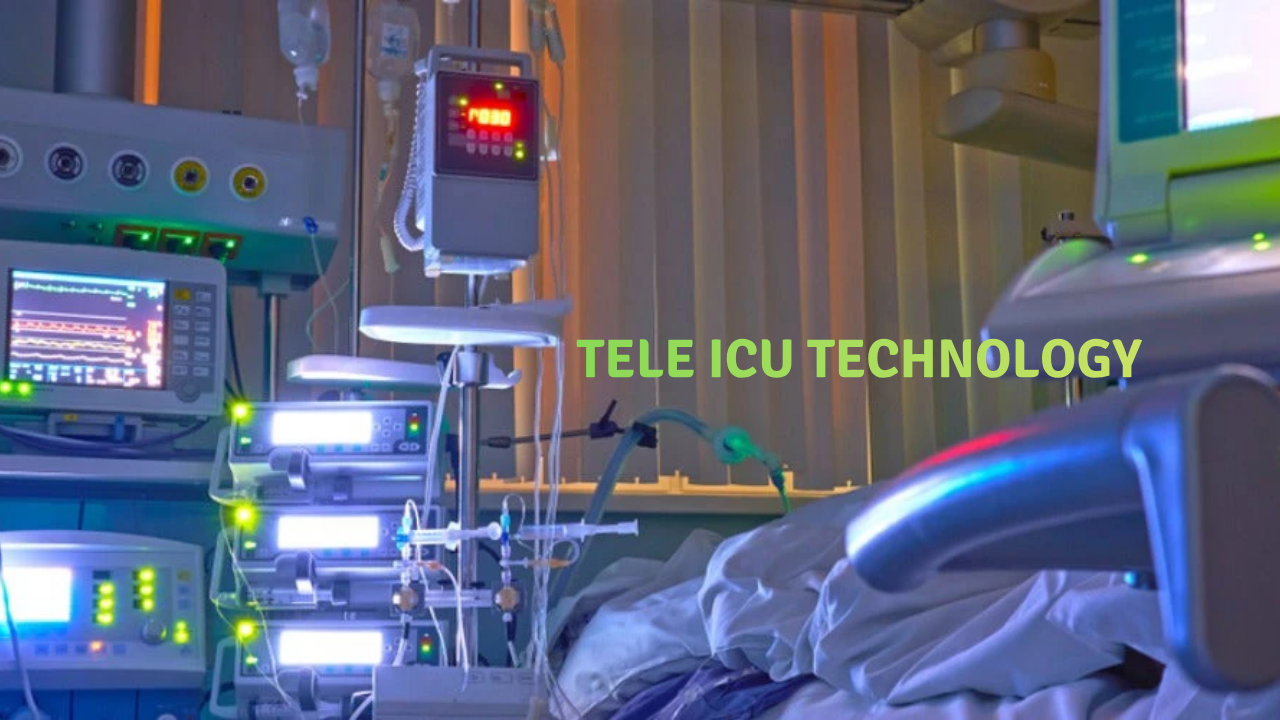
Modern healthcare is changing rapidly, and one of the most important innovations in recent years is tele icu technology. Hospitals around the world are adopting remote monitoring systems to improve patient care, reduce emergency risks, and provide specialist support around the clock. Intensive Care Units are designed for critically ill patients who require constant observation, but many healthcare facilities struggle with staffing shortages and limited access to experienced intensivists. This is where remote ICU systems have become highly valuable.
The rise of digital healthcare solutions has allowed doctors and nurses to monitor patients from centralized command centers without being physically present in the same room. Through advanced communication tools, real-time monitoring devices, and secure medical networks, healthcare providers can respond quickly to life-threatening situations and support bedside teams more effectively.
Today, many hospitals consider tele icu technology an essential part of modern critical care because it improves patient safety while also helping medical facilities operate more efficiently. As healthcare systems continue to expand their digital infrastructure, remote ICU monitoring is expected to become even more common in the future.
| Bio Table | Details |
|---|---|
| Article Title | Tele ICU Technology: Transforming Critical Care Through Remote Monitoring |
| Focus Keyword | tele icu technology |
| Article Type | Informative Blog Post |
| Category | Technology |
| Word Count | Approximately 1400+ Words |
| SEO Type | Informational SEO |
| Keyword Usage | 10–15 Times Naturally |
| Reading Level | Easy to Understand |
| Tone | Professional & Human-Friendly |
| Meta Title Length | Under 60 Characters |
| Meta Description Length | SEO Optimized |
Understanding Remote ICU Care
The concept behind tele icu technology is simple but highly effective. A patient in the ICU is connected to monitoring equipment that tracks important health data such as oxygen levels, heart rate, blood pressure, respiratory activity, and neurological signs. This information is transmitted securely to a remote care center where trained critical care specialists continuously monitor the patient’s condition.
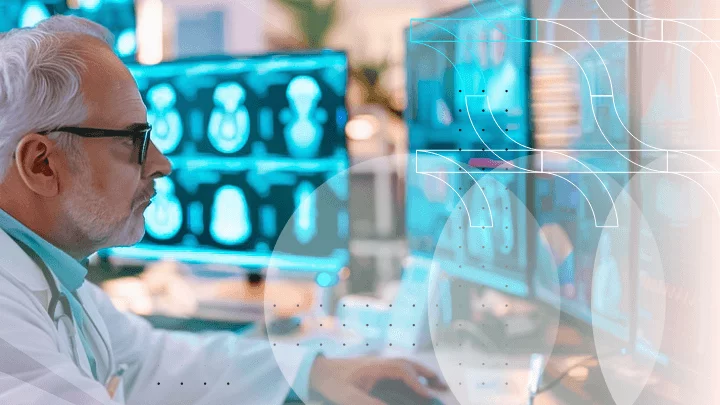
Doctors and nurses at the monitoring center can communicate directly with bedside medical staff using high-definition cameras, microphones, and integrated hospital software systems. If a patient’s condition changes suddenly, remote specialists can immediately alert the hospital team and recommend treatment adjustments before the situation becomes more serious.
Unlike traditional monitoring methods that rely only on bedside observation, remote monitoring creates an additional layer of clinical support. This constant oversight can significantly improve response times during emergencies and reduce the likelihood of overlooked complications.
How the System Operates
A modern tele icu technology setup combines several digital healthcare tools into one integrated system. Patients remain in the hospital ICU, but remote specialists work from centralized monitoring hubs that may oversee multiple hospitals at the same time.
The monitoring devices collect continuous patient data every second. Specialized software then analyzes the information and highlights unusual changes or warning signs. Remote intensivists review the data and collaborate with bedside physicians to guide treatment decisions.
Video communication also plays an important role. Remote doctors can visually assess the patient, speak with nurses, and even communicate with family members when necessary. In some hospitals, remote teams participate in daily rounds and assist with treatment planning throughout the day.
Because the monitoring process never stops, medical teams gain access to constant expert support, even during overnight shifts or emergencies when staffing may be limited.
Why Hospitals Are Adopting It
Many healthcare organizations are investing in tele icu technology because of the growing demand for high-quality critical care services. In many regions, hospitals face shortages of intensivists and specialized ICU staff. Smaller hospitals, especially in rural areas, often struggle to provide 24-hour expert coverage for critically ill patients.
Remote ICU systems help solve this challenge by connecting hospitals to experienced specialists regardless of geographic distance. A hospital that cannot afford a full in-house intensive care team can still access expert guidance whenever needed.
Healthcare administrators also recognize the operational benefits. Faster interventions, improved monitoring, and early complication detection can reduce ICU stays and lower treatment costs. Hospitals are increasingly focused on improving patient outcomes while managing expenses, and remote critical care systems support both goals.
Benefits for Patients
One of the greatest advantages of tele icu technology is the level of continuous care it provides to critically ill patients. ICU patients often experience sudden changes in condition, and even small delays in treatment can become dangerous. Continuous remote monitoring allows medical teams to detect problems much earlier.
Patients benefit from faster emergency response times because specialists are constantly reviewing their condition. The technology also provides additional reassurance to families who know that expert clinicians are monitoring their loved ones at all hours.
Another important benefit is improved consistency in treatment quality. Remote intensivists often follow evidence-based care practices and standardized treatment protocols, helping hospitals maintain a high level of critical care performance.
Research from various healthcare studies has shown that hospitals using remote ICU systems may experience lower mortality rates, fewer complications, and shorter ICU stays compared to facilities without advanced monitoring support.
Impact on Doctors and Nurses
Healthcare professionals also gain significant support through tele icu technology. ICU nurses and bedside physicians often work in highly stressful environments where quick decisions are required constantly. Having remote critical care experts available provides additional clinical guidance during difficult cases.
The system helps reduce burnout by giving bedside staff access to experienced specialists who can assist with decision-making and emergency management. Nurses can quickly consult remote teams when patient conditions change unexpectedly, improving confidence and collaboration within the ICU.
For newer healthcare professionals, remote ICU systems can also serve as valuable learning tools. Junior doctors and nurses gain exposure to expert recommendations and treatment strategies that help improve their skills over time.
The Role of Artificial Intelligence
Artificial intelligence is becoming increasingly important in modern tele icu technology systems. AI-powered software can analyze large volumes of patient data much faster than humans alone. These systems are designed to recognize patterns, predict complications, and generate alerts when early warning signs appear.
For example, AI tools may detect subtle changes in blood pressure or respiratory activity that suggest a patient is at risk of deterioration. Early alerts allow medical teams to intervene before a serious emergency develops.
Machine learning is also improving treatment planning by helping doctors identify which interventions may work best for specific patients. As AI technology becomes more advanced, remote ICU monitoring systems are expected to become even more accurate and efficient.
Challenges and Limitations
Despite its advantages, tele icu technology also comes with certain challenges. One major concern is the high cost of implementation. Hospitals must invest in advanced monitoring equipment, secure networking systems, cameras, software platforms, and staff training programs.
Technical problems can also create difficulties. Poor internet connectivity or software malfunctions may disrupt communication between remote specialists and bedside teams. Because ICU patients require constant care, system reliability is extremely important.
Some healthcare professionals initially resist adopting remote monitoring systems because they prefer traditional bedside-only approaches. Building trust between remote teams and in-hospital staff is necessary for successful collaboration.
Data privacy is another important issue. Hospitals must ensure that patient information remains protected through secure cybersecurity measures and strict compliance with healthcare regulations.
Use During Global Health Emergencies
The importance of tele icu technology became even more visible during major global health emergencies such as the COVID-19 pandemic. Hospitals experienced overwhelming numbers of critically ill patients, while many healthcare workers faced exhaustion and staffing shortages.
Remote ICU systems helped hospitals manage patient care more effectively by allowing specialists to monitor multiple patients from centralized locations. In some cases, remote systems also reduced unnecessary physical exposure for healthcare staff while still maintaining close patient observation.
The pandemic accelerated digital healthcare adoption worldwide and encouraged more hospitals to invest in remote care infrastructure for future emergencies.
Future of Critical Care Monitoring
The future of tele icu technology appears highly promising as healthcare continues moving toward digital transformation. Hospitals are increasingly integrating cloud computing, predictive analytics, wearable monitoring devices, and AI-driven software into their ICU operations.
Future systems may include more advanced automation, robotic assistance, and smarter predictive tools capable of identifying risks even earlier. Remote monitoring may eventually become a standard component of intensive care rather than an optional addition.
As internet access and medical technology improve globally, smaller hospitals and developing healthcare systems may gain better access to advanced critical care expertise through remote monitoring networks.
Conclusion
The healthcare industry continues evolving, and tele icu technology is playing a major role in that transformation. By combining remote monitoring, digital communication, artificial intelligence, and specialist support, hospitals can provide faster and more effective care for critically ill patients.
Although challenges such as cost, technical infrastructure, and staff adaptation still exist, the long-term benefits are significant. Improved patient outcomes, enhanced emergency response, and better healthcare accessibility make remote ICU systems an important advancement in modern medicine.
As technology continues developing, remote critical care solutions will likely become even more sophisticated and widely adopted. Hospitals that invest in these systems today are helping shape the future of safer, smarter, and more connected healthcare services.
FAQs
Q: What is tele ICU technology?
A: It is a remote monitoring system that allows critical care specialists to supervise ICU patients using digital healthcare technology.
Q: How does tele ICU improve patient care?
A: It provides continuous monitoring and faster emergency response for critically ill patients.
Q: Is tele ICU technology expensive?
A: Initial setup costs can be high, but it may reduce long-term healthcare expenses.
Q: Can rural hospitals use tele ICU systems?
A: Yes, remote ICU systems help smaller hospitals access specialist support from distant locations.
Q: Does tele ICU replace bedside doctors and nurses?
A: No, it supports bedside teams by providing additional expert monitoring and guidance.

