

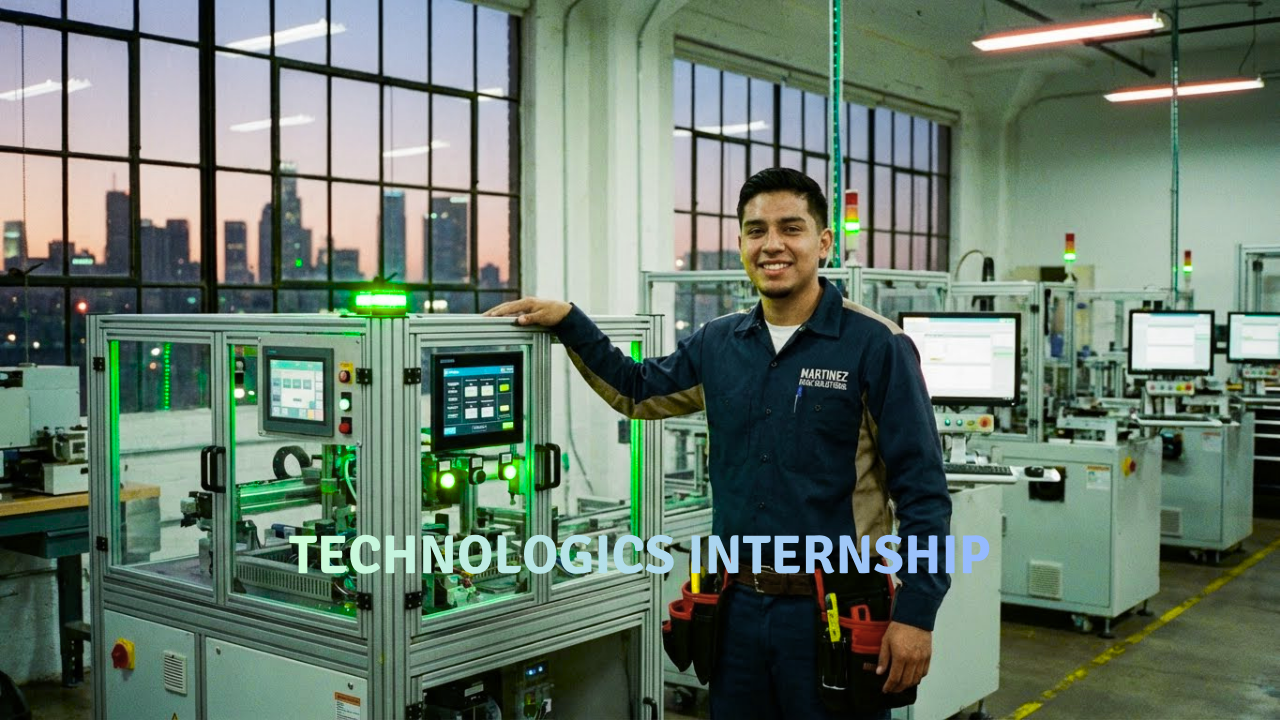
Finding the right internship has become one of the biggest priorities for students who want to build practical experience before entering the professional world. In recent years, the technologics internship program has gained attention among engineering and technical students looking to improve their industry knowledge and technical abilities. Many colleges and training institutes recommend these internships because they focus heavily on practical exposure rather than only classroom theory.
For students who are interested in embedded systems, industrial automation, software development, IoT, robotics, and related technologies, this internship program can become an important stepping stone toward future career opportunities. The growing demand for skilled technical professionals has also increased the popularity of such industrial training programs across India and other regions.
This article explains everything students should know about the technologics internship, including its purpose, benefits, training areas, learning environment, eligibility, certificates, placement support, and more.
Bio Table
| Field | Details |
|---|---|
| Article Title | Technologics Internship: Benefits, Training Programs, and Career Opportunities |
| Focus Keyword | technologics internship |
| SEO Category | Technology |
| Article Type | Informative Blog Post |
| Keyword Usage | 10–15 Times Naturally |
| Article Length | 1400+ Words |
| Target Audience | Engineering Students, Diploma Students, Fresh Graduates |
| Writing Style | Human-Friendly & Informative |
| SEO Intent | Educational / Informational |
| Reading Level | Easy to Understand |
| Internal Topics Covered | Internship Programs, Benefits, Certification, Projects, Placement Support |
Introduction to Technologics Internship
The technologics internship is an industry-oriented training and internship program mainly designed for engineering students, diploma holders, and fresh graduates. The program focuses on helping students gain real-world technical knowledge through live projects, workshops, industrial assignments, and practical sessions.
Unlike traditional classroom education where students mainly study theory, this internship model encourages hands-on learning. Students are introduced to tools, technologies, coding environments, industrial devices, and project-based activities that closely match real working conditions in technical industries.
The internship is usually offered through technical training organizations connected with industrial learning platforms. Their primary objective is to reduce the gap between academic education and industrial expectations.
Why Students Choose This Internship
One of the main reasons students join the technologics internship program is the opportunity to work on practical applications. Many students complete engineering degrees without receiving enough exposure to real industrial systems. As a result, they often struggle during job interviews or technical assessments.
This internship attempts to solve that problem by allowing students to experience how technology works in real environments. Students gain confidence while handling software tools, automation systems, coding platforms, embedded devices, and industrial applications.
Another reason behind the growing popularity of these internships is the increasing competition in the job market. Recruiters now prefer candidates who already possess practical knowledge and project experience. Internship training can help students strengthen their resumes and demonstrate technical skills during placement interviews.
Training Areas Covered
The training domains offered under the technologics internship program are usually broad and industry-focused. Different institutes may offer different modules depending on current market demand and technical expertise.
Embedded systems remain one of the most popular areas. Students learn about microcontrollers, embedded C programming, interfacing techniques, and hardware communication systems. This field is especially beneficial for electronics and communication engineering students.
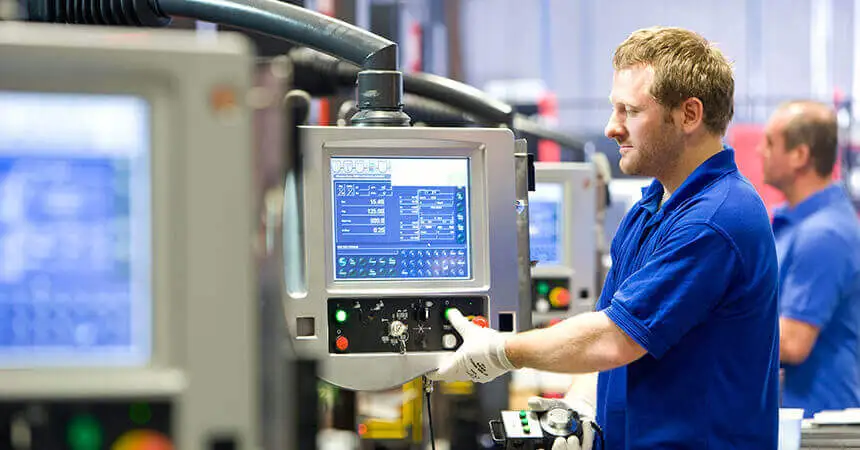
Industrial automation is another major area covered during the training. Students are introduced to PLC, SCADA, HMI systems, and automation software used in manufacturing and industrial plants. These technologies are important in modern factories and smart industrial operations.
IoT or Internet of Things training is also commonly included. Students work with sensors, cloud communication systems, smart devices, and connected applications. IoT has become increasingly important in industries such as healthcare, agriculture, manufacturing, and smart cities.
Some internship programs also offer artificial intelligence, machine learning, robotics, Python programming, Java development, Linux systems, and cybersecurity training depending on the course structure.
Learning Environment
A strong feature of the technologics internship experience is its practical learning atmosphere. Instead of relying only on lectures, students often spend most of their time performing tasks, completing projects, debugging code, or working on industrial simulations.
Training sessions are usually handled by technical trainers who guide students through both basic and advanced concepts. Students are encouraged to ask questions, solve real problems, and participate in project discussions.
The environment also helps students improve teamwork and communication skills. Since many technical projects require collaboration, students learn how to work in groups, manage deadlines, and present their ideas professionally.
This exposure becomes extremely valuable later when students enter corporate or industrial workplaces.
Live Projects and Industrial Exposure
Live project training is one of the biggest attractions of the technologics internship program. Rather than working only on theoretical assignments, students often receive project topics related to actual industrial scenarios.
For example, embedded systems students may build smart monitoring systems, automation control units, or sensor-based devices. Software development students may work on web applications, management systems, or coding-based projects.
Industrial exposure helps students understand how technical knowledge is applied outside textbooks. It also improves analytical thinking because students must identify errors, solve technical issues, and optimize project performance.
Many students believe project work is one of the most valuable parts of the internship because it creates confidence and practical understanding.
Eligibility Criteria
The internship program is usually open to a wide range of students. Engineering students from branches such as electronics, electrical, computer science, information technology, mechanical engineering, and instrumentation are commonly eligible.
Diploma students and MCA students can also apply depending on the technical domain offered. Some programs even allow fresh graduates who want to improve their employability before applying for jobs.
There is generally no strict age limit because the internship mainly focuses on technical education and skill development. However, most participants are between 18 and 26 years old due to the academic nature of the program.
Internship Duration
The duration of a technologics internship may vary depending on the selected course and training level. Short-term internships are often conducted during semester breaks and may last for two to six weeks.
Long-term industrial training programs can continue for three to six months. These programs usually provide deeper practical exposure and more advanced project work.
Students often prefer longer training programs because they provide more time to improve technical understanding and build stronger portfolios.
Certification and Career Value
After successful completion, students usually receive internship certificates and project completion certificates. These certificates can be useful while applying for jobs, higher education programs, or technical interviews.
Recruiters often appreciate candidates who have completed practical internships because it shows initiative and willingness to learn beyond classroom education.
Although certificates alone do not guarantee employment, the technical experience gained during the internship can significantly improve job readiness.
Students who actively participate in projects, workshops, and practical tasks generally gain the most benefit from the program.
Placement Assistance
Some training organizations offering the technologics internship also provide placement assistance or interview preparation sessions. These may include resume building, aptitude preparation, technical interview guidance, and communication training.
Placement support can be useful for students who lack confidence before entering the job market. Trainers may also guide students about career paths, industry trends, and technical specializations.
However, students should always verify placement-related claims carefully before enrolling. Internship programs may provide assistance, but guaranteed placements are not always assured.
Advantages for Freshers
Fresh graduates often struggle because companies expect both knowledge and practical exposure. This is where internship training becomes valuable.
The technologics internship can help freshers understand industry expectations and develop technical confidence. Students who participate actively often become more comfortable with coding environments, industrial systems, debugging processes, and project management.
The experience also helps candidates during interviews because they can discuss real projects rather than only theoretical concepts.
Many employers prefer candidates who already understand practical workflows and technical tools.
Challenges Students Should Know
While internships provide valuable learning opportunities, students should also understand possible challenges before joining.
Some internship programs may not offer stipends. Others may charge training fees depending on the technology and facilities provided.
Students should research the organization carefully, verify course quality, read reviews, and understand the complete structure before enrolling. It is also important to confirm whether the internship includes live projects, certification, or placement support.
Choosing the right internship requires careful evaluation instead of only focusing on advertisements or promotional claims.
Physical Appearance, Family, Net Worth, and Social Media Details
Many students search online for details such as age, height, family background, physical appearance, social media accounts, and net worth connected to the technologics internship. However, it is important to understand that this internship is a technical training program and not a celebrity or public personality.
Because of this, there are no official public details available regarding personal information like height, family, relationships, net worth, or physical appearance. The internship is associated with educational and technical training activities rather than an individual public figure.
Students can usually find official updates, announcements, and registration details through the organization’s official websites or social media pages related to technical training and internships.
Future Opportunities
Students who complete technical internships often gain better clarity about their career interests. Some may continue toward embedded systems careers, while others move into software development, automation engineering, robotics, IoT development, or industrial programming.
Practical training also helps students identify their strengths and weaknesses early in their careers. This can be extremely useful while selecting future certifications, specializations, or job roles.
As industries continue moving toward automation, AI, connected devices, and smart technologies, technical internships are becoming more valuable than ever before.
Conclusion
The technologics internship program has become a popular option for engineering students and fresh graduates who want practical technical exposure before entering the professional world. Its focus on hands-on learning, industrial projects, technical workshops, and industry-oriented training makes it attractive for students looking to improve real-world skills.
Although internship quality may vary depending on the training provider and selected domain, students who participate seriously can gain valuable technical knowledge and career confidence. Practical learning, project experience, and industrial exposure often help students stand out in competitive job markets.
Before enrolling, students should carefully review course details, training structure, certification value, placement support, and fees. A well-chosen internship can become an important step toward building a stronger technical career.
FAQs
Q: What is a technologics internship?
A: It is a technical internship and industrial training program designed for engineering and technical students.
Q: Who can apply for this internship?
A: Engineering students, diploma holders, MCA students, and fresh graduates can usually apply.
Q: Does the internship provide certificates?
A: Yes, most programs provide internship and project completion certificates.
Q: Is the technologics internship paid?
A: Some programs are unpaid, while others may charge training fees instead of offering stipends.
Q: What skills can students learn?
A: Students can learn embedded systems, IoT, automation, programming, robotics, and software development skills.

