

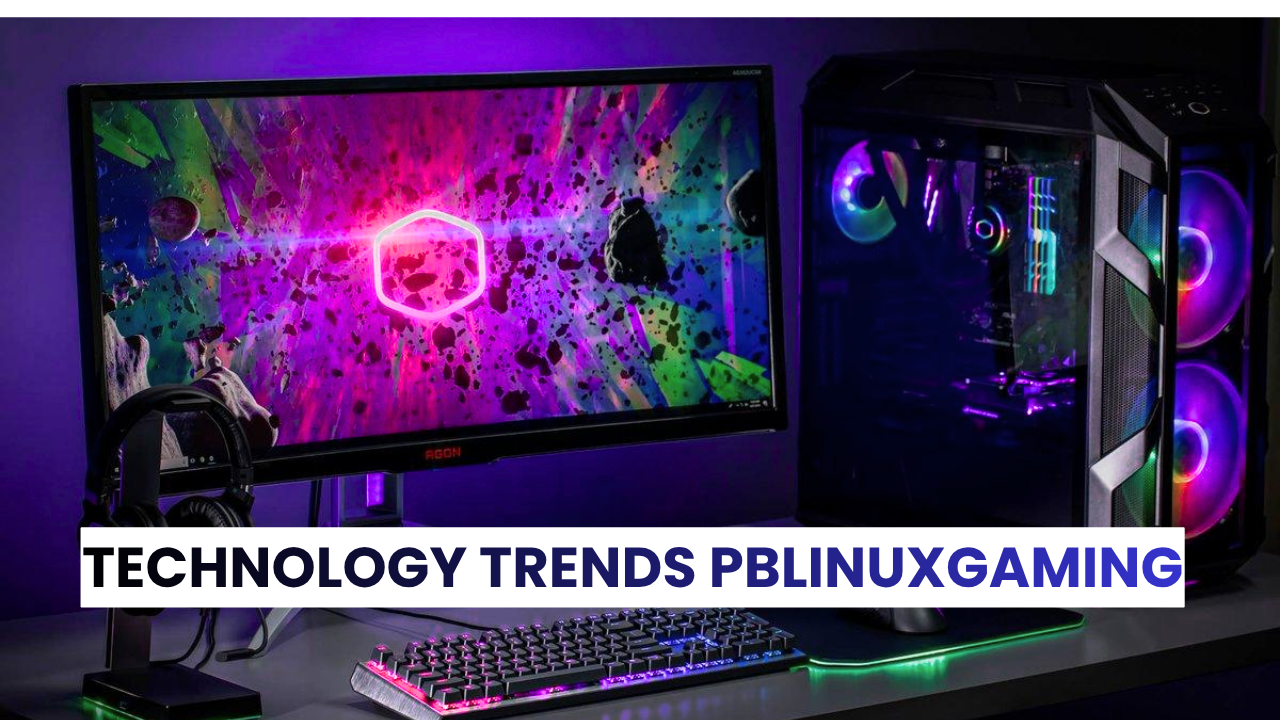
The gaming industry has changed rapidly over the last decade, and Linux gaming is now becoming a serious part of that transformation. For many years, Linux users struggled with limited game compatibility, weak driver support, and complicated installation methods. Today, however, the situation looks completely different. Modern tools, advanced graphics technologies, and powerful gaming platforms have helped Linux evolve into a capable environment for casual and professional gamers alike.
One topic gaining attention among gamers and technology enthusiasts is technology trends pblinuxgaming. The phrase is often connected with discussions about Linux gaming innovations, open-source software, gaming optimization, cloud gaming, artificial intelligence, and future digital technologies. Websites and communities connected with Linux gaming continue to highlight how the ecosystem is improving every year.
The rise of handheld gaming devices, cloud-based systems, and advanced compatibility layers has pushed Linux gaming into the spotlight. Many players who once relied only on Windows are now exploring Linux because of its customization, privacy, and performance advantages. As technology continues to evolve, Linux gaming is becoming more practical for modern users who want flexibility and speed without sacrificing gaming quality.
The Rise of Linux Gaming
Gaming on Linux was once considered difficult and limited. Most major games were designed exclusively for Windows, leaving Linux users dependent on workarounds and unstable software. This created a small but passionate community that constantly searched for ways to improve compatibility and performance.
Things changed significantly when companies like Valve invested in Linux gaming technology. Steam introduced Proton, a compatibility layer that allows many Windows games to run smoothly on Linux systems. This development transformed the gaming experience and opened the door for thousands of titles to become playable without requiring a Windows operating system.
At the same time, graphics technologies such as Vulkan improved rendering performance and reduced hardware overhead. These advancements helped Linux gaming move from a niche hobby into a realistic choice for mainstream gamers.
Today, discussions around technology trends pblinuxgaming often focus on these breakthroughs because they represent the foundation of modern Linux gaming.
Bio Table
| Field | Details |
|---|---|
| Keyword | technology trends pblinuxgaming |
| Category | Technology |
| Article Type | Informative Blog Post |
| Focus Topic | Linux Gaming Trends & Technology |
| SEO Intent | Informational |
| Target Audience | Gamers, Linux Users, Tech Enthusiasts |
| Reading Time | 6–8 Minutes |
| Content Length | 1000+ Words |
| Main Topics Covered | Linux Gaming, Proton, Vulkan, AI Gaming, Cloud Gaming |
| Tone | Professional & Human-Friendly |
| SEO Keyword Usage | 10–15 Times Naturally |
Why Linux Gaming Is Growing So Quickly
One major reason behind Linux gaming growth is freedom. Linux gives users greater control over their systems compared to traditional operating systems. Gamers can optimize processes, customize performance settings, and remove unnecessary background tasks that may affect gameplay.
Another important factor is privacy. Many users prefer Linux because it offers stronger transparency and fewer concerns related to data collection. Open-source communities also contribute heavily to development, meaning improvements are often driven by real user needs instead of corporate limitations.
The release of the Steam Deck also played a major role in changing public perception. Valve demonstrated that Linux could support modern AAA gaming experiences in a portable device. Since the Steam Deck runs on Linux-based SteamOS, developers have started paying more attention to Linux compatibility.
As a result, conversations about technology trends pblinuxgaming continue growing across gaming forums, technology blogs, and open-source communities.
The Importance of Proton Technology
Proton is one of the most significant developments in Linux gaming history. It allows Windows-based games to run on Linux through Steam without requiring users to install a separate Windows environment.
Before Proton existed, Linux gamers relied heavily on software like Wine, which often required manual configuration. Many games would crash or suffer from performance issues. Proton simplified the process and made gaming far more accessible.
Modern Proton versions now support thousands of popular games, including many high-performance titles. Developers and community contributors regularly improve compatibility, ensuring smoother gameplay experiences for Linux users.
The success of Proton is often highlighted in articles discussing technology trends pblinuxgaming because it removed one of the biggest barriers preventing gamers from switching to Linux.
Vulkan and Better Graphics Performance
Another major reason Linux gaming has improved is the Vulkan graphics API. Vulkan is designed to deliver efficient communication between games and graphics hardware. Compared to older technologies, Vulkan reduces CPU overhead and improves frame rendering performance.
Many modern games now support Vulkan directly, which helps Linux systems perform closer to Windows in gaming benchmarks. Developers also appreciate Vulkan because it supports cross-platform development more effectively.
Gamers using AMD graphics cards often see excellent Vulkan performance on Linux systems. NVIDIA support has also improved significantly in recent years, making Linux gaming more stable for a wider audience.
When discussing technology trends pblinuxgaming, Vulkan is frequently mentioned because it represents the technical backbone of modern Linux graphics performance.
Artificial Intelligence in Gaming
Artificial intelligence is becoming an important part of gaming technology. AI systems are now used to improve graphics quality, optimize game settings, and create more realistic gameplay experiences.
In Linux gaming environments, AI-powered tools can automatically manage performance settings based on system hardware. Some technologies even use machine learning to improve image scaling and frame generation.
Game developers are also using AI to create smarter non-playable characters, more adaptive environments, and personalized gaming experiences. As AI continues evolving, Linux gaming communities are expected to benefit from faster optimization tools and improved gaming efficiency.
This is one reason why technology trends pblinuxgaming is gaining attention among technology enthusiasts who closely follow AI innovations.
Cloud Gaming and Linux Accessibility
Cloud gaming is another major trend shaping the future of Linux gaming. Services such as NVIDIA GeForce NOW and Xbox Cloud Gaming allow users to stream games directly from remote servers instead of relying entirely on local hardware.
This technology is especially useful for Linux users because it reduces hardware limitations. Even older systems can run demanding games through cloud streaming if the internet connection is stable.
Cloud gaming also removes many compatibility concerns because the game itself runs on external servers. Linux users simply access the stream through supported browsers or applications.
As internet infrastructure improves worldwide, cloud gaming may become one of the biggest drivers behind technology trends pblinuxgaming in the coming years.
Open-Source Communities and Innovation
One unique strength of Linux gaming is the open-source community. Unlike closed ecosystems, Linux development is heavily supported by independent developers who constantly create optimization tools, compatibility fixes, and performance enhancements.
Applications like Lutris, DXVK, Heroic Games Launcher, and GameMode help improve gaming stability and usability. These tools allow users to customize their experience and solve technical issues more efficiently.
Community forums also provide detailed guides, troubleshooting tips, and performance tweaks for thousands of games. This collaborative environment continues driving Linux gaming forward faster than many people expected.
The open-source nature of Linux is one of the biggest reasons discussions surrounding technology trends pblinuxgaming continue expanding across online gaming communities.
Gaming Performance and System Efficiency
Many Linux users report smoother system responsiveness during gaming sessions. Linux distributions often consume fewer background resources than traditional operating systems, which can help improve overall gaming performance.
Advanced users can fine-tune CPU scheduling, memory management, GPU drivers, and kernel settings for better results. Lightweight Linux distributions are particularly popular among competitive gamers seeking maximum efficiency.
Gaming optimization tools now make these adjustments easier for beginners as well. Modern Linux distributions focused on gaming often include preconfigured performance enhancements, helping users enjoy stable gameplay without extensive technical knowledge.
Because of these improvements, technology trends pblinuxgaming has become associated with high-performance and customizable gaming environments.

Challenges Still Facing Linux Gaming
Despite major progress, Linux gaming still faces some challenges. Certain multiplayer games continue experiencing anti-cheat compatibility issues. Some developers also prioritize Windows support first, causing delays in Linux optimization.
Driver installation can sometimes confuse new users, especially those unfamiliar with Linux systems. Hardware compatibility may also vary depending on the chosen distribution.
However, the situation continues improving each year. More developers now recognize Linux gaming as an important market segment, especially after the commercial success of devices like the Steam Deck.
The future appears promising as technology companies and open-source developers continue investing in compatibility improvements and gaming support.
The Future of Linux Gaming Technology
The future of Linux gaming looks stronger than ever. AI-powered optimization, cloud gaming expansion, virtual reality integration, and handheld gaming devices are expected to push Linux gaming further into the mainstream.
Developers are increasingly supporting cross-platform technologies, making it easier for games to function across multiple operating systems. Open-source innovation also continues accelerating at a remarkable pace.
As gaming technology evolves, Linux will likely become even more attractive for users who value customization, privacy, performance, and freedom. The growing popularity of technology trends pblinuxgaming reflects this shift toward a more open and performance-focused gaming ecosystem.
Linux gaming is no longer simply an alternative option. It is becoming a genuine competitor in the modern gaming industry.
FAQs
Q: What is technology trends pblinuxgaming?
A: It refers to modern Linux gaming innovations, performance technologies, and open-source gaming trends.
Q: Is Linux good for gaming now?
A: Yes, Linux gaming has improved greatly with Proton, Vulkan, and Steam Deck support.
Q: What is Proton in Linux gaming?
A: Proton is a compatibility tool that lets Windows games run on Linux through Steam.
Q: Why do gamers prefer Linux?
A: Many gamers like Linux because of privacy, customization, stability, and open-source freedom.
Q: Does cloud gaming work on Linux?
A: Yes, many cloud gaming services support Linux through browsers and applications.

