

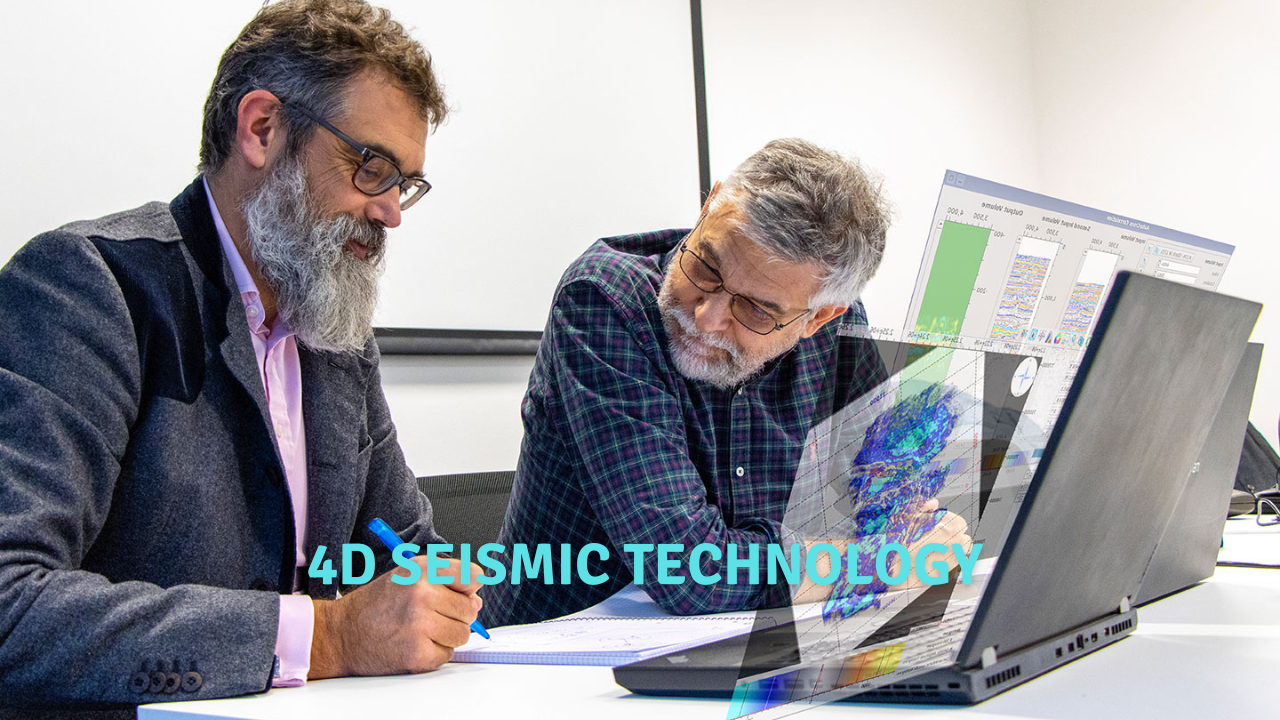
The energy industry has changed dramatically over the last few decades, especially in the way underground resources are discovered and managed. Among the most advanced developments in geophysical exploration is 4d seismic technology, a method that allows scientists and engineers to monitor reservoirs over time instead of relying on a single underground image. This innovation has become an important part of modern oil and gas operations because it provides detailed insights into how reservoirs behave during production.
Unlike traditional seismic surveys that only capture a static picture of the subsurface, this method repeatedly records seismic data from the same location at different periods. These repeated surveys reveal changes occurring deep underground, helping operators make better production decisions while reducing unnecessary drilling risks. As global energy demand continues to grow, companies increasingly rely on advanced monitoring systems to maximize recovery while improving operational efficiency.
Bio Table
| Field | Details |
|---|---|
| Keyword | 4D Seismic Technology |
| Article Type | Informative Blog Post |
| Category | Technology / Energy Technology / Geophysical Technology |
| Focus Topic | Time-Lapse Seismic Monitoring |
| Search Intent | Informational |
| Target Audience | Students, Engineers, Energy Professionals, Tech Readers |
| Word Count | 1100+ Words |
| SEO Difficulty | Medium |
| Keyword Usage | Natural & Limited |
| Content Style | Professional & Human Written |
| Primary Industry | Oil & Gas |
| Secondary Applications | Carbon Storage, Geothermal Energy |
| Reading Level | Easy to Moderate |
| SEO Goal | Organic Traffic & Informative Ranking |
Understanding the Technology
At its core, 4d seismic technology is based on time-lapse seismic imaging. The first three dimensions represent length, width, and depth, while the fourth dimension represents time. By comparing seismic surveys collected months or years apart, geophysicists can detect changes in reservoir pressure, fluid movement, and saturation levels.
The process begins with a baseline seismic survey before production starts. This initial survey creates a detailed image of the underground structure. After oil or gas extraction continues for some time, another survey is conducted over the same field. Sophisticated software then compares both datasets to identify subtle differences beneath the surface.
These differences may show where oil has moved, where water has entered the reservoir, or which sections still contain recoverable hydrocarbons. The ability to observe these changes provides valuable information that conventional seismic methods cannot deliver.
How Seismic Waves Create Underground Images
Seismic exploration works by generating sound waves that travel through underground rock layers. These waves reflect back to the surface when they encounter different geological formations. Sensitive recording equipment captures the returning signals, which are later processed into detailed images.
In offshore operations, specialized vessels tow long cables equipped with hydrophones behind the ship. Air guns release controlled sound pulses into the ocean, and the reflected waves are recorded by sensors. On land, geophones are commonly used to collect the same type of information.
With 4d seismic technology, the same survey area must be repeated with extremely high accuracy. Even minor differences in equipment placement or environmental conditions can affect the final results. Modern positioning systems and advanced processing software help reduce these inconsistencies to ensure reliable comparisons over time.
The Growing Importance in Oil and Gas
The oil and gas sector faces increasing pressure to improve efficiency while controlling operational costs. Reservoirs are becoming more complex, and companies cannot afford unnecessary drilling or inaccurate production forecasts. This is one reason why 4d seismic technology has become such an important tool in reservoir management.
By understanding how fluids move underground, operators can identify bypassed oil zones that may still contain large amounts of recoverable resources. Instead of drilling blindly, engineers can target the most productive areas with greater precision.
In offshore fields, where drilling costs are extremely high, accurate reservoir monitoring can save millions of dollars. Some deepwater projects require investments worth billions, making reliable subsurface imaging essential for long-term success.
Benefits Beyond Production
One of the major advantages of this technology is its ability to improve recovery rates from existing reservoirs. Many oil fields leave a significant percentage of hydrocarbons underground after conventional production methods. Time-lapse monitoring helps identify these remaining resources more effectively.
Another important benefit is risk reduction. Drilling decisions become more accurate when companies understand reservoir conditions in detail. This lowers the likelihood of dry wells or poorly placed production systems.
Environmental management also improves through better reservoir understanding. Reduced drilling activity means less disturbance to surrounding ecosystems, especially in environmentally sensitive offshore regions. In addition, optimized production planning can minimize energy waste and operational emissions.
The use of 4d seismic technology also contributes to safer operations. By monitoring pressure changes within reservoirs, engineers can detect potential issues early and take preventive measures before problems escalate.
Advanced Data Processing
The success of modern seismic monitoring depends heavily on advanced computing systems. Seismic surveys generate enormous amounts of data that require powerful processing capabilities. Specialized algorithms remove noise, correct inconsistencies, and enhance image clarity.
Artificial intelligence and machine learning are now playing a growing role in seismic interpretation. These technologies help identify subtle underground patterns that may be difficult for humans to recognize. AI-driven analytics also speed up the interpretation process, allowing companies to make faster decisions.
Cloud computing has further improved accessibility by enabling large-scale seismic datasets to be processed remotely. As computing technology continues to evolve, seismic imaging is becoming increasingly accurate and efficient.
Applications Outside Oil and Gas
Although most people associate seismic monitoring with petroleum exploration, the technology has broader applications. Carbon capture and storage projects use time-lapse seismic surveys to monitor injected carbon dioxide underground. This ensures the gas remains safely stored without leakage.
Geothermal energy projects also benefit from advanced subsurface imaging. Engineers can track fluid movement and temperature changes within geothermal reservoirs to improve efficiency and sustainability.
Mining companies sometimes use seismic monitoring to understand underground structures before excavation begins. This improves planning while reducing operational uncertainty.
As environmental concerns continue to shape the future of energy, 4d seismic technology may play an even larger role in renewable and low-carbon projects.
Challenges and Limitations
Despite its many advantages, the technology is not without challenges. Conducting repeated seismic surveys can be expensive, particularly in offshore environments where specialized vessels and equipment are required.
Data interpretation is another complex task. Geological formations are rarely simple, and seismic signals can sometimes be difficult to analyze accurately. Skilled geophysicists and reservoir engineers are essential for converting raw data into meaningful insights.
Environmental conditions can also affect survey quality. Ocean currents, weather conditions, and equipment variations may introduce inconsistencies between surveys. Maintaining repeatability is critical for producing reliable time-lapse comparisons.
Additionally, not all reservoirs respond equally well to seismic monitoring. Some geological formations may show only subtle changes, making interpretation more difficult.
Future Developments
The future of seismic monitoring looks highly promising as digital technologies continue advancing. Permanent reservoir monitoring systems are becoming increasingly popular, especially in offshore fields. These systems use permanently installed seabed sensors that continuously collect data without requiring repeated vessel surveys.
Fiber-optic sensing is another emerging innovation that improves data accuracy and real-time monitoring capabilities. Combined with AI-powered interpretation tools, future seismic systems may deliver even more detailed underground images.
The transition toward cleaner energy could also expand the role of seismic monitoring beyond fossil fuels. Carbon storage, hydrogen projects, and geothermal developments all require accurate subsurface imaging for long-term safety and efficiency.
As industries continue searching for smarter ways to manage underground resources, 4d seismic technology will likely remain one of the most valuable tools in geophysical exploration.
Why the Technology Matters Today
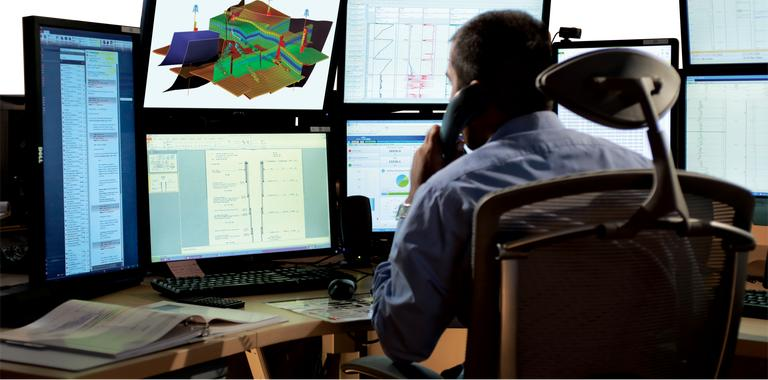
Energy companies operate in an increasingly competitive environment where efficiency and precision are critical. Traditional exploration methods alone are no longer enough to manage complex reservoirs effectively. Time-lapse monitoring provides a clearer understanding of underground changes, helping companies recover more resources while reducing operational uncertainty.
The importance of 4d seismic technology goes beyond production gains. It supports better environmental practices, enhances safety, and contributes to smarter resource management. In many ways, it represents the shift toward data-driven decision-making within the modern energy industry.
As global demand for reliable energy continues evolving, advanced monitoring systems will become even more essential. Whether used in offshore oil fields, carbon storage facilities, or geothermal projects, seismic imaging technology is shaping the future of subsurface exploration.
Conclusion
Modern reservoir management depends heavily on accurate subsurface information, and few technologies provide this level of insight as effectively as 4d seismic technology. By adding the dimension of time to traditional seismic imaging, companies can observe how reservoirs change during production and make more informed operational decisions.
The technology has transformed oil and gas exploration by improving recovery rates, reducing drilling risks, and supporting efficient field management. Beyond petroleum applications, it is also becoming increasingly important in environmental and renewable energy projects.
Although challenges such as cost and data complexity remain, ongoing advancements in AI, cloud computing, and sensor technology continue improving seismic monitoring capabilities. As industries place greater emphasis on efficiency, sustainability, and precision, this innovative approach to subsurface imaging will remain a key part of the energy sector’s future.
FAQs
Q: What is 4D seismic technology?
A: It is a time-lapse seismic monitoring method used to observe underground reservoir changes over time.
Q: Where is 4D seismic technology mainly used?
A: It is primarily used in the oil and gas industry for reservoir monitoring and production optimization.
Q: Why is 4D seismic important?
A: It helps improve oil recovery, reduce drilling risks, and enhance reservoir understanding.
Q: Can 4D seismic technology support environmental projects?
A: Yes, it is used in carbon capture, geothermal energy, and underground storage monitoring.
Q: What is the main challenge of 4D seismic surveys?
A: High survey costs and complex data processing are among the biggest challenges.

