

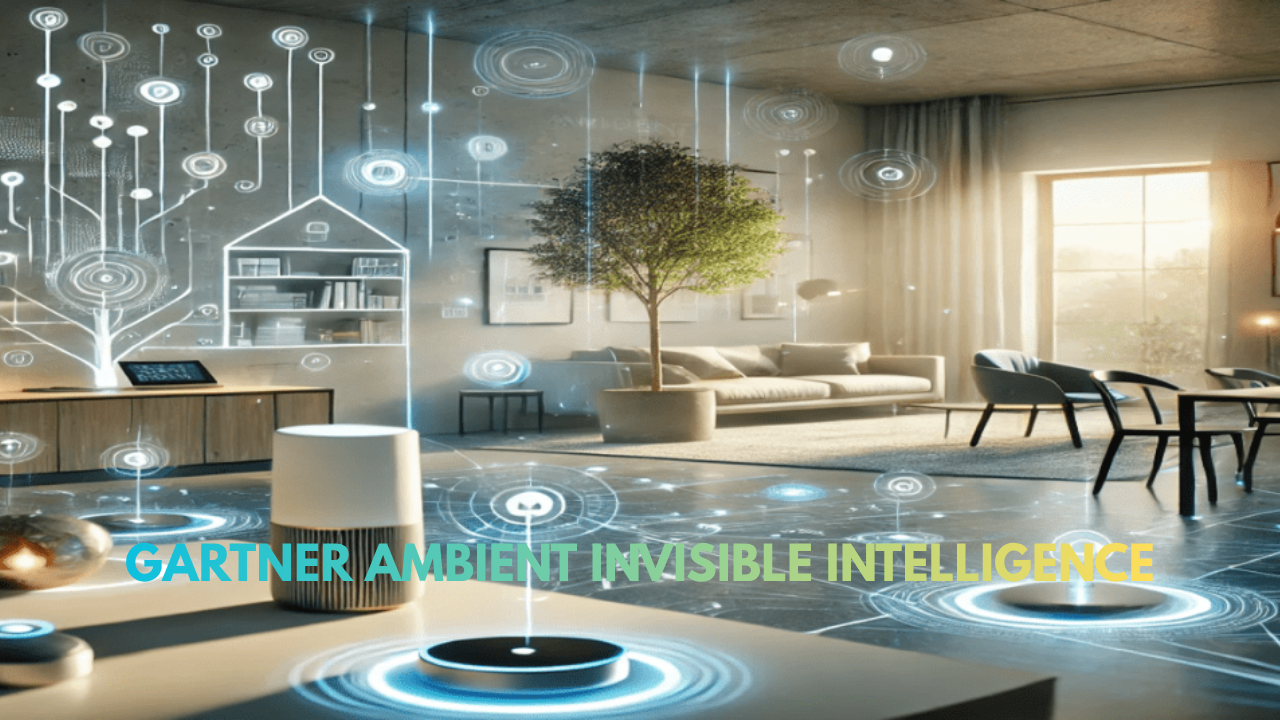
Technology is moving toward a future where devices, systems, and digital services work quietly in the background without demanding constant attention from users. One of the biggest ideas connected to this shift is gartner ambient invisible intelligence. Gartner introduced this concept as part of its strategic technology trends, describing a world where smart systems blend naturally into everyday life and operate almost invisibly.
The idea may sound futuristic, but it is already appearing in homes, hospitals, offices, retail stores, and smart cities.From motion-sensitive lighting to AI-powered monitoring systems, invisible intelligence is gradually changing how people interact with technology. Instead of manually controlling every device, systems can now understand environments, collect data automatically, and respond in real time.
This technology trend is becoming increasingly important because businesses and consumers both want experiences that are faster, smarter, and less complicated. Companies are investing heavily in sensors, artificial intelligence, automation, cloud computing, and connected devices to create environments that can think and react automatically .
Bio Table
| Field | Details |
|---|---|
| Keyword | Gartner Ambient Invisible Intelligence |
| Article Type | Informative Technology Blog |
| Category | Technology / Artificial Intelligence |
| Focus Topic | AI, Automation, Smart Environments |
| Search Intent | Informational |
| Target Audience | Tech Readers, Businesses, Students, AI Enthusiasts |
| Content Length | 1000+ Words |
| Keyword Usage | 10–15 Times Naturally |
| Tone | Professional & Human-Friendly |
| SEO Type | On-Page SEO Optimized |
| Reading Level | Easy to Understand |
| Main Topics Covered | AI, IoT, Smart Homes, Healthcare, Automation, Future Technology |
Understanding the Concept
At its core, gartner ambient invisible intelligence refers to intelligent systems that work in the background without requiring direct human interaction. These systems use sensors, RFID tags, machine learning, low-cost computing devices, and AI-powered analytics to collect information and make decisions automatically.
The term “ambient” refers to the surrounding environment, while “invisible intelligence” means the technology is quietly embedded into daily life. Most users may not even notice the systems operating around them because the technology becomes part of the environment itself.
For example, a smart office building can automatically adjust room temperature depending on how many employees are inside. Retail stores can track products through smart shelves without staff manually scanning inventory. Hospitals can monitor patient movement and health conditions through connected sensors that instantly alert medical teams if something unusual happens.
Unlike traditional systems that require constant commands, this technology focuses on anticipation and automation. It aims to create smooth digital experiences that feel natural rather than mechanical.
How the Technology Works
The foundation of gartner ambient invisible intelligence relies on several connected technologies working together. Sensors gather information from physical surroundings such as movement, temperature, sound, location, or behavior patterns. That information is then processed through AI systems capable of analyzing data in real time.
Machine learning algorithms study patterns and behaviors to improve future decisions. Edge computing and cloud platforms help process large amounts of information quickly so systems can react instantly when needed.
For instance, a warehouse equipped with smart sensors can detect when inventory levels are running low. The system can automatically notify managers or even reorder supplies without manual involvement. In smart homes, devices learn user habits over time and adjust lighting, security settings, or energy usage automatically.
The most important part of this process is that the technology remains mostly invisible to the user. People experience convenience without constantly interacting with apps or devices.
Why Businesses Are Interested
Businesses across industries are showing strong interest in this technology because it improves operational efficiency and customer experiences at the same time. Companies are constantly searching for ways to reduce costs, automate repetitive tasks, and make smarter decisions using real-time data.
Retailers use intelligent tracking systems to monitor inventory more accurately. Manufacturing companies apply predictive maintenance systems to detect machine problems before breakdowns occur. Healthcare providers rely on connected monitoring tools to improve patient safety and reduce staff workload.
One reason Gartner highlighted this trend is because modern organizations are generating massive amounts of data every day. Traditional systems struggle to manage such information efficiently. Ambient intelligence offers a way to process and use that data continuously without overwhelming human workers.
Another major factor is customer expectations. Consumers now prefer experiences that feel personalized, quick, and effortless. Businesses that can deliver seamless digital environments gain a stronger competitive advantage.
Smart Homes and Everyday Living
One of the most visible examples of gartner ambient invisible intelligence can be seen in smart homes. Many people already use voice assistants, automated lighting systems, and connected appliances without fully realizing they are part of a larger ambient intelligence ecosystem.
Modern smart homes can learn user preferences over time. Lights may dim automatically during the evening, thermostats can reduce energy use when nobody is home, and security systems can identify unusual movement patterns instantly.
This technology is designed to reduce friction in daily life. Instead of actively controlling every device, people simply live in an environment that adapts around them.
As sensors become cheaper and AI systems become more advanced, smart homes are expected to become even more intelligent in the coming years. Future homes may predict household needs before residents even ask.
Healthcare Transformation
Healthcare is another gartner ambient invisible intelligence sector where invisible intelligence is making a major impact. Hospitals and medical facilities generate enormous amounts of patient data, and healthcare professionals often work under intense pressure. Intelligent monitoring systems help improve efficiency while supporting better patient care.
Sensors can track patient movement, monitor vital signs, and detect emergencies in real time. AI systems can analyze medical information faster than traditional manual processes. Some hospitals already use ambient documentation systems that automatically record doctor-patient conversations and convert them into medical notes.
This reduces administrative work and allows healthcare staff to spend more time focusing on patients. Remote monitoring technologies also help elderly patients or individuals with chronic conditions receive care from home while remaining connected to healthcare providers.
The healthcare industry sees this technology as a way to improve both safety and operational performance without increasing staff workload.
Retail and Shopping Experiences
Retail businesses are increasingly using intelligent environments to improve customer experiences and inventory management. Smart shelves, automated checkout systems, and digital tracking tools are changing how stores operate.
Through gartner ambient invisible intelligence, retailers can monitor product availability instantly and reduce inventory errors. Customers benefit from faster shopping experiences with fewer delays at checkout counters.
Some advanced stores already use sensors and AI-powered systems to study customer movement patterns. This helps businesses understand shopping behavior and optimize store layouts for better engagement.
Online and physical retail environments are gradually merging together through connected technology systems that create more personalized experiences for customers.
Benefits of Invisible Intelligence
One of the biggest strengths of this technology is convenience. Intelligent systems remove unnecessary manual tasks and simplify daily operations. Businesses gain access to real-time information, while users enjoy smoother digital experiences gartner ambient invisible intelligence.
Efficiency also improves significantly. Automated monitoring and predictive systems reduce waste, prevent downtime, and optimize resource usage. In industries such as manufacturing and logistics, this can save companies millions of dollars over time.
Another advantage is personalization. AI-powered systems learn user habits and preferences, allowing services to adapt automatically. This creates experiences that feel more natural and responsive gartner ambient invisible intelligence.
Energy management is another major benefit. Smart buildings and connected infrastructure can automatically control lighting, heating, and electricity usage to reduce waste and improve sustainability.
Privacy and Security Concerns
Despite its advantages, gartner ambient invisible intelligence also raises important concerns about privacy and security. These systems collect large amounts of data continuously, including behavioral patterns, location details, and personal preferences.
Many people worry about how organizations store and use that information. If security protections are weak, sensitive data could become vulnerable to cyberattacks or misuse.
Businesses implementing ambient intelligence systems must invest heavily in cybersecurity and transparent data practices. Governments and technology experts are also discussing new regulations to ensure user privacy remains protected.
Trust will play a major role in the future adoption of invisible intelligence technologies. Consumers are more likely to embrace these systems when they understand how their information is being handled.
The Future Ahead
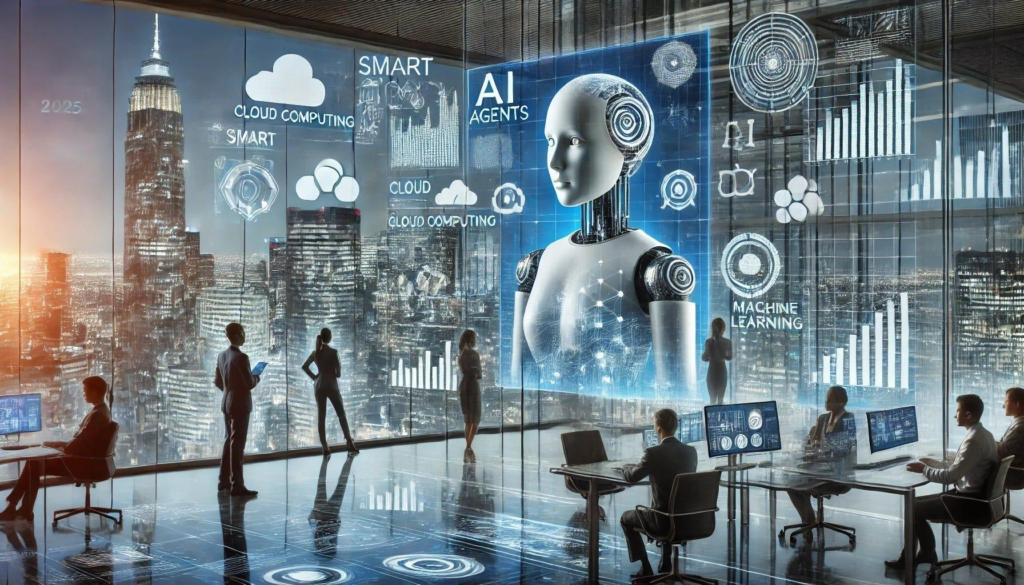
The future of gartner ambient invisible intelligence looks extremely promising as AI, IoT, and automation technologies continue to evolve. Smart cities, intelligent transportation systems, automated workplaces, and connected healthcare environments are expected to become more common over the next decade.
Advancements in 5G connectivity and edge computing will also help intelligent systems process information faster and more efficiently. As devices become smaller, cheaper, and more powerful, ambient intelligence will expand into almost every aspect of modern life.
Experts believe the long-term goal is to create environments where technology supports people naturally without creating distractions. Instead of humans constantly adapting to machines, machines will adapt to humans.
This shift represents one of the most important developments in the future of digital transformation.
Conclusion
Gartner ambient invisible intelligence represents a major evolution in how technology interacts with people and environments. Rather than relying on visible systems that require constant commands, this approach focuses on intelligent automation operating quietly in the background.
From healthcare and retail to smart homes and manufacturing, industries are already exploring how invisible intelligence can improve efficiency, personalization, and decision-making. The technology offers enormous opportunities for businesses and consumers alike, especially as AI and connected devices continue to advance.
At the same time, privacy, security, and ethical concerns must remain part of the conversation. Organizations that balance innovation with responsible data practices will likely lead the next generation of intelligent environments.
As technology becomes more integrated into daily life, ambient invisible intelligence may eventually become so common that people stop noticing it altogether — which is exactly the point.
FAQs
Q: What is gartner ambient invisible intelligence?
A: It is a technology concept where AI-powered systems work invisibly in the background using sensors, automation, and connected devices.
Q: Why is ambient invisible intelligence important?
A: It improves efficiency, automation, personalization, and real-time decision-making across industries.
Q: Where is this technology commonly used?
A: It is used in smart homes, healthcare, retail, manufacturing, and smart buildings.
Q: Does ambient invisible intelligence use AI?
A: Yes, artificial intelligence plays a major role in analyzing data and automating responses.
Q: What are the biggest concerns about this technology?
A: Privacy, cybersecurity, and data protection are the main concerns surrounding its adoption.

