

Introduction
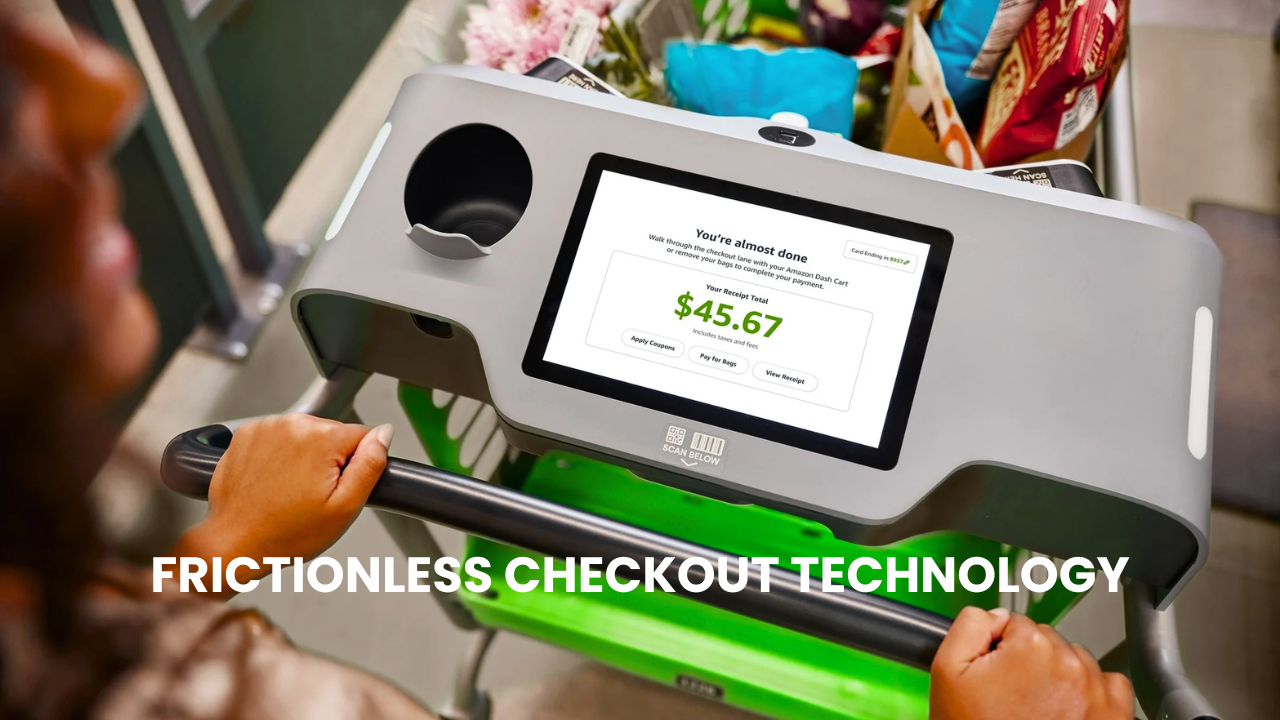
Retail shopping has changed dramatically over the last decade. Customers no longer want to spend time standing in long checkout lines or waiting for cashiers to scan products manually. Modern shoppers expect convenience, speed, and a seamless buying experience whether they are shopping online or visiting physical stores. This growing demand for efficiency has encouraged retailers to invest in smarter systems that simplify the payment process. One of the most important innovations leading this transformation is frictionless checkout technology.
The retail industry is now moving toward automated shopping experiences where customers can walk into a store, pick the items they want, and leave without standing in a traditional checkout line. Advanced technologies such as artificial intelligence, computer vision, smart sensors, and digital payment systems make this possible. Large retailers around the world are already testing and expanding these systems to improve customer satisfaction and modernize store operations.
As digital commerce continues to evolve, businesses are recognizing that convenience plays a major role in customer loyalty. Faster service, personalized experiences, and contactless shopping have become key priorities for retailers trying to stay competitive in a rapidly changing market.
Bio Table
| Field | Details |
|---|---|
| Topic | Frictionless Checkout Technology |
| Industry | Retail Technology / AI / E-Commerce |
| Focus | Automated checkout systems, cashierless stores, smart retail innovation |
| Target Audience | Retail businesses, tech readers, e-commerce professionals, startup founders |
| Content Type | Informational SEO Blog Article |
| Language Style | Professional, informative, human-written tone |
| Purpose | Educate readers about modern retail automation and checkout-free systems |
What Is Frictionless Checkout Technology?
Frictionless checkout technology is a retail system designed to remove delays and unnecessary steps during the purchasing process. Instead of using traditional billing counters or self-checkout kiosks, the system automatically detects what customers take from the shelves and processes payment digitally.
The technology works by combining artificial intelligence, machine learning, cameras, sensors, mobile applications, and cloud-based systems. Customers typically enter the store by scanning a mobile app, payment card, or digital account. Once inside, smart cameras and sensors track the products selected by shoppers. When the customer exits the store, the payment is processed automatically without requiring manual checkout.
This type of shopping experience is often referred to as “grab-and-go” retail because customers can simply take their products and leave without interruption. Retailers see this approach as a major step toward creating fully automated stores that reduce waiting times and improve overall shopping efficiency.
How Modern Checkout Systems Work
The foundation of modern automated retail lies in intelligent tracking systems. Cameras installed throughout the store monitor customer movement and product interaction in real time. Weight sensors on shelves can identify when items are picked up or returned. Some stores also use RFID tags attached to products to improve accuracy.
Artificial intelligence software processes all of this information instantly. The system creates a virtual shopping cart linked to the customer’s account. Once the customer leaves the store, the total amount is charged automatically using the saved payment method.
Many retailers also integrate mobile apps into the process. These apps allow customers to view receipts, track purchases, receive discounts, and manage payment settings. Some advanced stores even use biometric identification methods such as facial recognition or palm scanning for even faster entry and payment experiences.
The entire process is designed to feel smooth and almost invisible to the customer, reducing the stress and inconvenience commonly associated with traditional shopping.
Why Retailers Are Investing in Smart Shopping Solutions
Retailers are adopting frictionless checkout technology because customer expectations have changed significantly. People value convenience more than ever before, especially in busy urban environments where time-saving services are highly appreciated.
One of the biggest advantages for retailers is improved customer flow. Long checkout lines often discourage shoppers from making purchases, particularly during peak hours. By removing these delays, stores can serve more customers efficiently while creating a more enjoyable shopping experience.
Labor costs are another important factor. Automated systems reduce the need for large cashier teams, allowing businesses to allocate employees to customer service, inventory management, and store support instead. This can help improve operational efficiency while lowering expenses over time.
Retailers also benefit from detailed customer insights. Smart systems collect valuable information about shopping behavior, product popularity, and purchasing patterns. These insights help businesses optimize store layouts, improve inventory planning, and personalize promotions.
In highly competitive retail markets, offering faster and more convenient shopping experiences can also strengthen brand loyalty and encourage repeat visits.
The Role of Artificial Intelligence in Retail
Artificial intelligence plays a central role in the success of automated shopping environments. AI systems analyze huge amounts of data generated by cameras, sensors, and customer interactions inside the store.
Computer vision technology enables the system to recognize products, identify customer movement, and track shopping behavior accurately. Machine learning algorithms continuously improve detection accuracy over time, helping reduce billing mistakes and improving system reliability.
AI is also being used to personalize the shopping experience. Some systems can recommend products based on previous purchases or shopping habits. Others analyze customer traffic patterns to optimize shelf placement and product displays.
As AI technology becomes more advanced, retailers are expected to create even smarter stores capable of delivering highly customized shopping experiences while improving operational efficiency behind the scenes.
Benefits for Customers
For customers, the biggest advantage of frictionless checkout technology is convenience. Shopping becomes faster, easier, and less stressful because there is no need to wait in checkout lines or interact with payment terminals.
The technology also supports contactless shopping experiences, which became especially important after global health concerns increased demand for safer retail environments. Customers appreciate the ability to complete purchases with minimal physical interaction.
Another benefit is speed. In many automated stores, the entire shopping process can take only a few minutes. Busy professionals, commuters, and travelers often prefer this quick and efficient experience.
Digital receipts and mobile integration also provide greater transparency. Customers can track spending, manage purchases, and receive personalized offers directly through mobile applications.
Challenges and Concerns
Despite its advantages, frictionless checkout technology still faces several challenges. One major concern is privacy. Since many systems rely heavily on cameras and customer tracking, some shoppers worry about how their personal data is collected and stored.
Retailers must also address cybersecurity risks. Automated payment systems handle sensitive financial information, making strong security protections essential to prevent fraud or data breaches.
Another challenge is the high cost of implementation. Installing smart cameras, sensors, AI software, and cloud infrastructure requires significant investment. Smaller retailers may struggle to afford these systems compared to large global corporations.
Technical errors can also occur. Incorrect product tracking or billing mistakes may negatively affect customer trust if not handled properly. Retailers must continuously improve system accuracy and customer support to maintain confidence in automated shopping solutions.
Industries Adopting Automated Checkout Systems
Although grocery and convenience stores are leading the adoption of frictionless checkout technology, many other industries are exploring similar solutions.
Airports are introducing cashierless retail stores to help travelers make quick purchases between flights. Stadiums and entertainment venues are using automated food and beverage stations to reduce crowd congestion during events.
Fashion retailers are experimenting with RFID-enabled fitting rooms and smart payment systems to improve the customer experience. Hotels and hospitality businesses are also integrating automated retail concepts into self-service convenience shops.
As frictionless checkout technology becomes more affordable, adoption is expected to expand across many sectors that prioritize speed, convenience, and customer satisfaction.
The Future of Retail Shopping
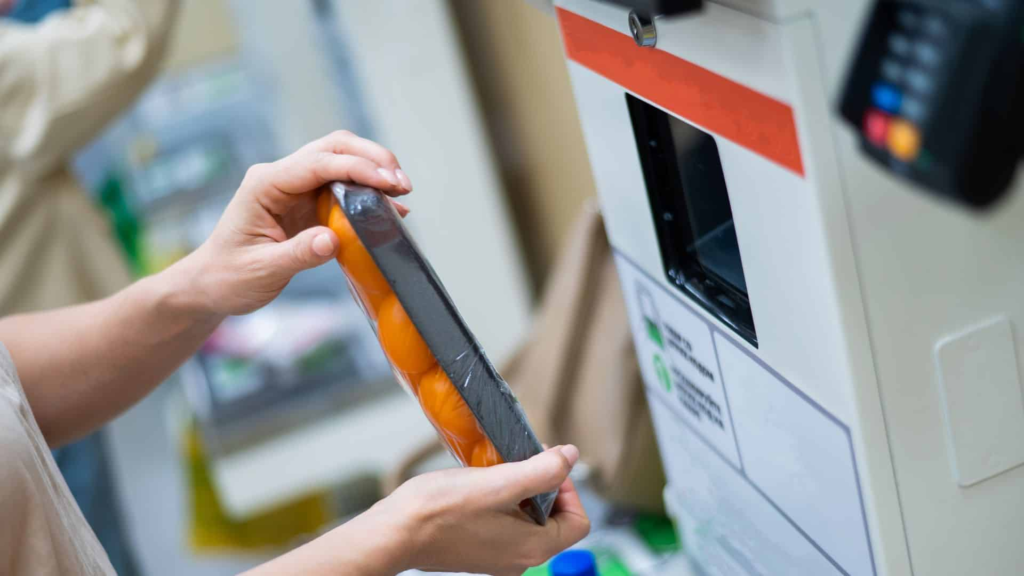
The future of retail is likely to become increasingly automated and data-driven. Experts believe that frictionless checkout technology will continue evolving as artificial intelligence, biometric authentication, and smart retail infrastructure improve.
Future stores may rely entirely on autonomous systems capable of managing inventory, processing payments, and delivering personalized recommendations without human intervention. Voice-assisted shopping, advanced digital loyalty programs, and AI-powered customer support may also become more common.
Retailers that successfully combine convenience with trust and security will likely gain a strong competitive advantage in the coming years. Customers are already embracing faster and more seamless shopping experiences, and the demand for innovation continues to grow worldwide.
Conclusion
Frictionless checkout technology is reshaping the retail industry by making shopping faster, smarter, and more convenient for customers. Through the use of artificial intelligence, computer vision, sensors, and digital payment systems, retailers can eliminate many of the frustrations associated with traditional checkout processes.
While challenges such as privacy concerns, cybersecurity risks, and implementation costs still exist, the long-term potential of automated retail remains significant. Businesses around the world are investing heavily in modern shopping technologies to improve customer experiences and stay competitive in an increasingly digital marketplace.
As consumer expectations continue to evolve, automated checkout systems are expected to become a normal part of everyday retail life. The future of shopping is moving toward seamless, contactless, and highly personalized experiences that prioritize both speed and convenience.
FAQs
Q: What is frictionless checkout technology?
A: It is a smart retail system that allows customers to shop and pay automatically without traditional checkout lines.
Q: How does frictionless checkout work?
A: Cameras, sensors, AI, and digital payments track purchases and charge customers automatically when they leave the store.
Q: Is frictionless checkout safe?
A: Most systems use advanced encryption and secure payment methods, although retailers must maintain strong cybersecurity protections.
Q: Which industries use frictionless checkout systems?
A: Retail stores, airports, stadiums, hotels, and supermarkets commonly use automated checkout solutions.
Q: Why is frictionless checkout becoming popular?
A: Customers prefer faster, contactless, and more convenient shopping experiences with reduced waiting times.

