

Introduction
In today’s fast-evolving industrial landscape, automation is no longer limited to repetitive robotic movements. Modern production environments demand systems that can adapt, analyze, and respond intelligently in real time. This is where ABB Vision System Integration plays a transformative role.
Developed by ABB, this technology combines advanced machine vision with industrial robotics to create systems capable of seeing and understanding their environment. The result is a new generation of automation that is not only efficient but also highly adaptable.
As industries move toward Industry 4.0, integrating vision systems with robotics has become essential for improving quality, reducing waste, and enhancing operational flexibility.
Understanding ABB Vision System Integration
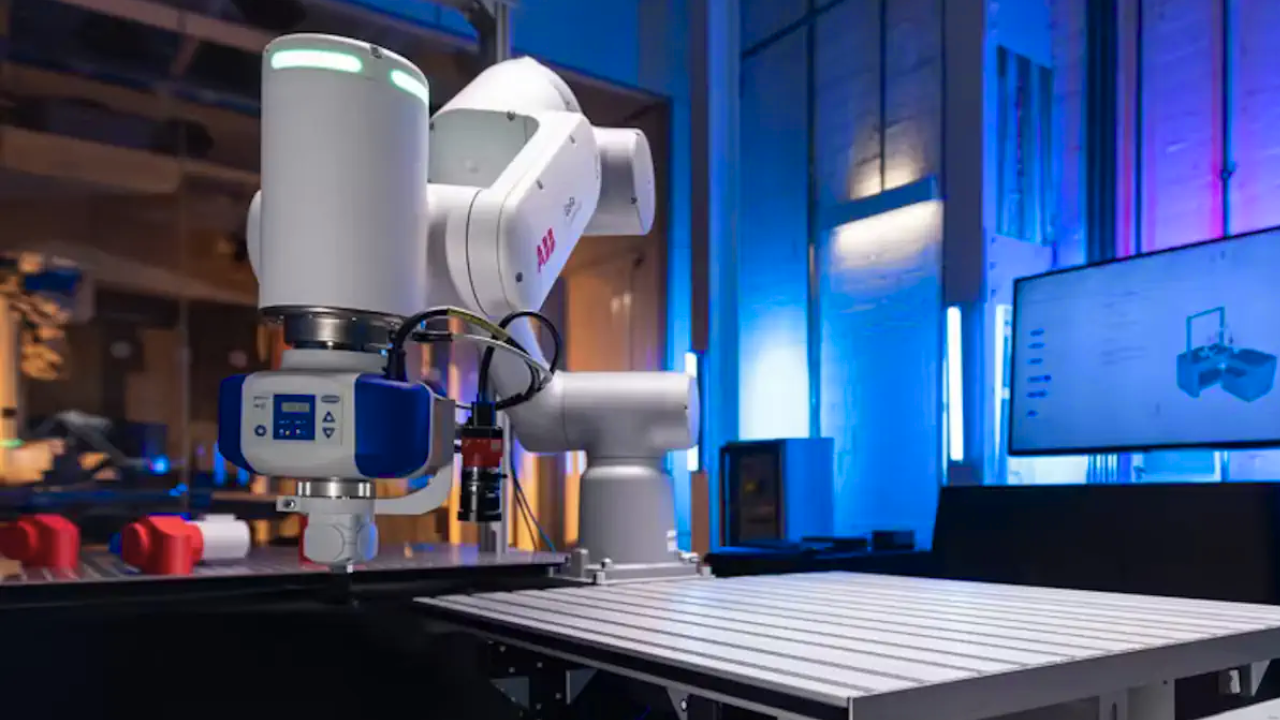
ABB Vision System Integration refers to the seamless connection between machine vision technologies and ABB robotic systems. It allows robots to interpret visual data captured through cameras and make decisions based on that information.
Instead of relying on fixed programming, robots equipped with vision systems can identify object positions, detect variations, and adjust their actions accordingly. This capability significantly improves the reliability and versatility of automated processes.
At its core, the system combines hardware and software components, including cameras, lighting systems, image processing tools, and robot controllers. These elements work together to deliver precise and intelligent automation.
Bio Table
| Field | Details |
|---|---|
| Keyword | abb vision system integration |
| Topic | Industrial Automation & Robotics |
| Definition | ABB vision system integration combines machine vision with robotics to enable intelligent automation and real-time decision-making. |
| Developed By | ABB |
| Technology Type | Machine Vision + Industrial Robotics |
| Main Purpose | Object detection, inspection, and robotic guidance |
| Key Features | Real-time imaging, smart vision tools, seamless robot integration |
| Industries Used | Automotive, Electronics, Food, Pharma, Logistics |
| Benefits | High accuracy, reduced errors, improved efficiency |
| Software Support | RobotStudio, Integrated Vision tools |
| Future Scope | AI-driven automation and Industry 4.0 integration |
| SEO Focus | abb vision system integration in manufacturing |
How the System Works in Real Environments
In a typical industrial setup, the process begins with cameras capturing images of products moving along a production line. These images are then processed using advanced algorithms that analyze features such as shape, size, orientation, and surface quality.
The processed data is transmitted to the robot controller, which uses the information to guide movements. Whether it’s picking up an object, aligning components, or inspecting for defects, the robot performs tasks with a level of accuracy that manual operations cannot match.
This integration eliminates the need for rigid positioning systems, allowing production lines to handle variability without constant reconfiguration. As a result, manufacturers gain both efficiency and flexibility.
The Role of Software in Vision Integration
One of the defining aspects of ABB Vision System Integration is its software ecosystem. Tools like RobotStudio enable engineers to simulate, program, and optimize vision-guided robotic operations before deployment.
This reduces development time and minimizes errors during implementation. Engineers can test different scenarios, adjust parameters, and ensure that the system performs as expected in real-world conditions.
The software also provides access to a wide range of vision tools, including pattern recognition, blob analysis, and measurement functions. These tools allow users to tailor the system to specific applications without requiring deep expertise in image processing.
Why Vision Integration Matters Today
Manufacturing environments are becoming increasingly complex. Product variations, shorter production cycles, and higher quality expectations require systems that can adapt quickly.
ABB Vision System Integration addresses these challenges by enabling robots to respond dynamically to changing conditions. Instead of stopping production to adjust settings, the system continuously adapts in real time.
This capability is particularly valuable in industries where precision and consistency are critical. From electronics assembly to automotive manufacturing, vision-guided robotics ensures that every component meets exact specifications.
Benefits That Drive Adoption
The adoption of ABB Vision System Integration is driven by its tangible advantages in industrial operations.
One of the most significant benefits is improved accuracy. Vision systems can detect even the smallest deviations, ensuring that defects are identified early in the process. This leads to higher product quality and reduced waste.
Another key advantage is increased productivity. By automating inspection and alignment tasks, manufacturers can achieve faster cycle times without compromising quality. Robots can operate continuously, maintaining consistent performance throughout production.
Flexibility is also a major benefit. Unlike traditional automation systems, vision-integrated robots can handle variations in product design and positioning. This makes it easier to switch between different products without extensive reprogramming.
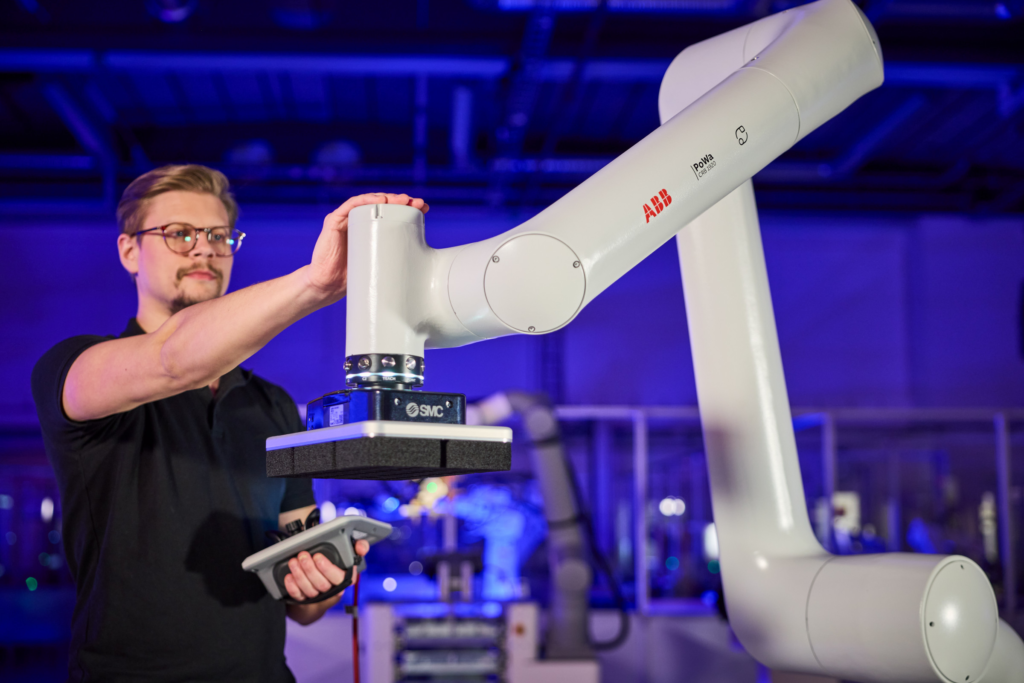
Additionally, the reduction in human intervention enhances workplace safety. Employees can focus on higher-value tasks while robots handle repetitive and potentially hazardous operations.
Applications Across Industries
ABB Vision System Integration is widely used across multiple industries, each benefiting from its unique capabilities.
In the automotive sector, it plays a crucial role in assembly and inspection processes. Robots equipped with vision systems ensure that components are correctly aligned and assembled with precision.
In electronics manufacturing, where components are often small and delicate, vision integration enables accurate placement and inspection. This is essential for maintaining quality in high-density circuit boards.
The food and beverage industry also relies on vision systems for sorting, packaging, and quality control. These systems can identify defects, verify labeling, and ensure compliance with safety standards.
Pharmaceutical companies use vision integration for tasks such as packaging inspection and batch verification. This ensures that products meet strict regulatory requirements.
Logistics and warehousing operations benefit from improved sorting and picking capabilities, allowing for faster and more accurate order fulfillment.
Integration with Industry 4.0
ABB Vision System Integration is a key component of Industry 4.0, where connectivity and data-driven decision-making define modern manufacturing.
By integrating vision systems with digital platforms, manufacturers can collect and analyze data from production processes. This data provides valuable insights into performance, enabling continuous improvement.
The ability to monitor operations in real time allows for predictive maintenance, reducing downtime and extending the lifespan of equipment. Vision systems also contribute to traceability, ensuring that every product can be tracked throughout its lifecycle.
As factories become smarter and more connected, vision integration will continue to play a central role in enabling intelligent automation.
Challenges and Considerations
While the benefits are substantial, implementing ABB Vision System Integration requires careful planning.
One of the primary challenges is system calibration. Ensuring that cameras and robots are properly aligned is essential for accurate operation. Any misalignment can affect performance and lead to errors.
Lighting conditions also play a critical role. Inconsistent lighting can impact image quality, making it difficult for the system to accurately analyze objects. Proper lighting design is therefore an important aspect of integration.
Another consideration is the complexity of certain applications. While ABB provides user-friendly tools, highly specialized tasks may require additional expertise in vision programming and system design.
Despite these challenges, the long-term benefits often outweigh the initial investment and effort required for implementation.
Future of ABB Vision System Integration
The future of ABB Vision System Integration is closely tied to advancements in artificial intelligence and machine learning.
As these technologies evolve, vision systems will become even more capable of understanding complex environments. This will enable robots to perform tasks that were previously considered too difficult or unpredictable.
The integration of 3D vision and deep learning algorithms will further enhance the accuracy and versatility of these systems. This will open up new possibilities in areas such as autonomous manufacturing and collaborative robotics.
With continuous innovation, ABB is positioned to remain a leader in the field of vision-guided automation.
Conclusion
ABB Vision System Integration represents a significant step forward in industrial automation. By combining advanced vision technologies with robotics, it enables systems that are not only efficient but also intelligent and adaptable.
For manufacturers looking to stay competitive in a rapidly changing market, adopting vision-integrated solutions is no longer optional—it is a strategic necessity.
As industries continue to embrace digital transformation, technologies like ABB Vision System Integration will play a crucial role in shaping the future of manufacturing.
FAQs
Q: What is ABB Vision System Integration?
A: It is the combination of machine vision technology with ABB robots to enable intelligent, vision-guided automation.
Q: Where is ABB Vision Integration used?
A: It is used in industries like automotive, electronics, food processing, pharmaceuticals, and logistics.
Q: What are the main benefits?
A: Improved accuracy, higher productivity, flexibility, and reduced human error.
Q: Does it require advanced programming skills?
A: Basic applications are user-friendly, but complex setups may require technical expertise.
Q: Is it part of Industry 4.0?
A: Yes, it supports smart manufacturing by enabling data-driven and connected automation systems.

